info@silverliningfloorcare.co.uk



Learn how to safely clean natural stone floors without etching or staining. From daily care to what to avoid.
Read more

A solid wood floor in Bethnal Green was badly sanded by another contractor after our quote. We corrected it, and the client chose a clear matt lacquer over the stain.
Introduction and Case Overview
When a client chooses a contractor on price, the cheapest quote isn’t always the cheapest job.
That’s what happened in this Bethnal Green home. The client first contacted us for a quote to sand a solid wood floor and stain it a darker, walnut-style colour. We prepared the estimate from the floor size and the photos, and left it with the client. The client then arranged for another contractor to do the sanding instead.
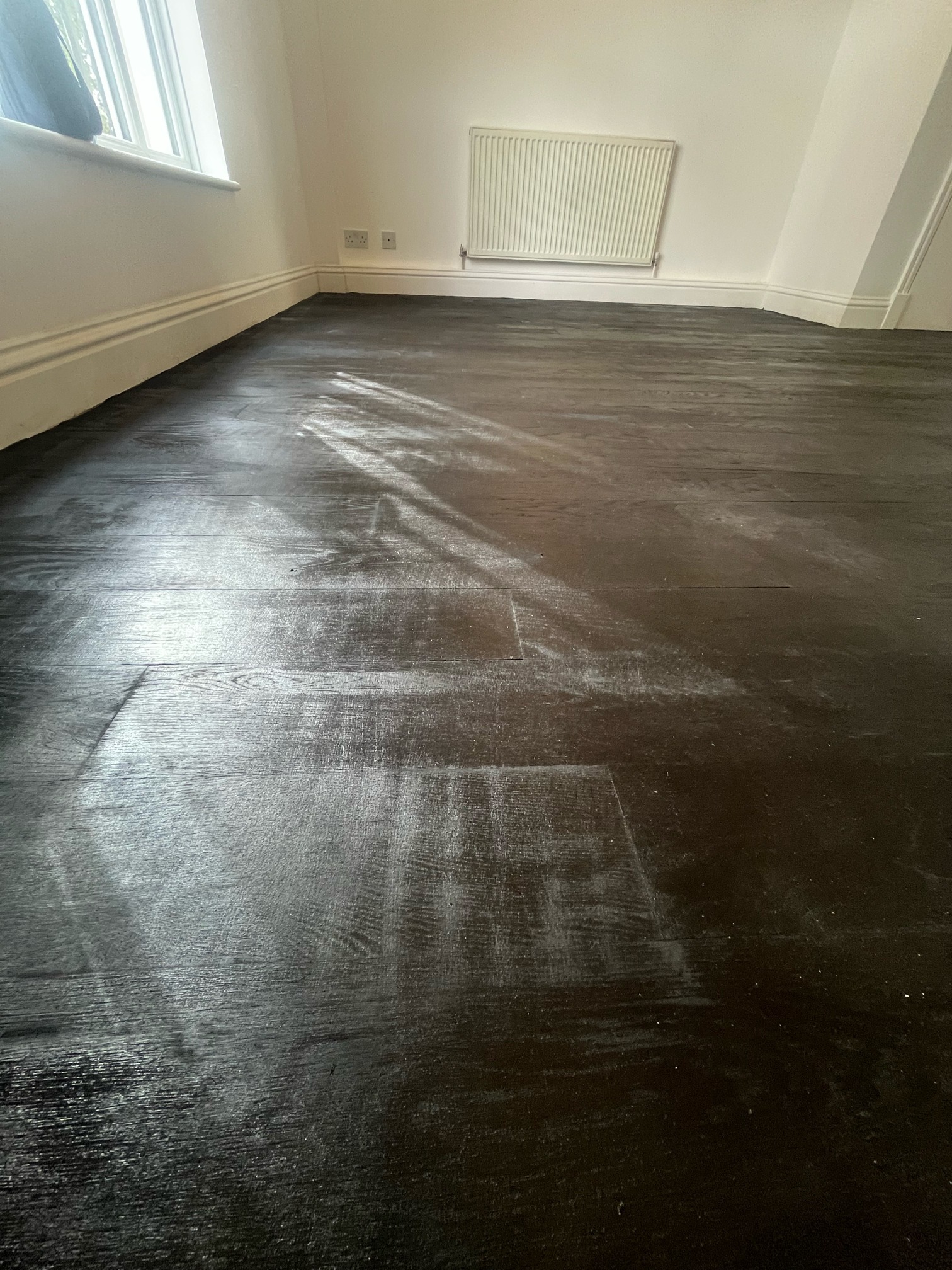
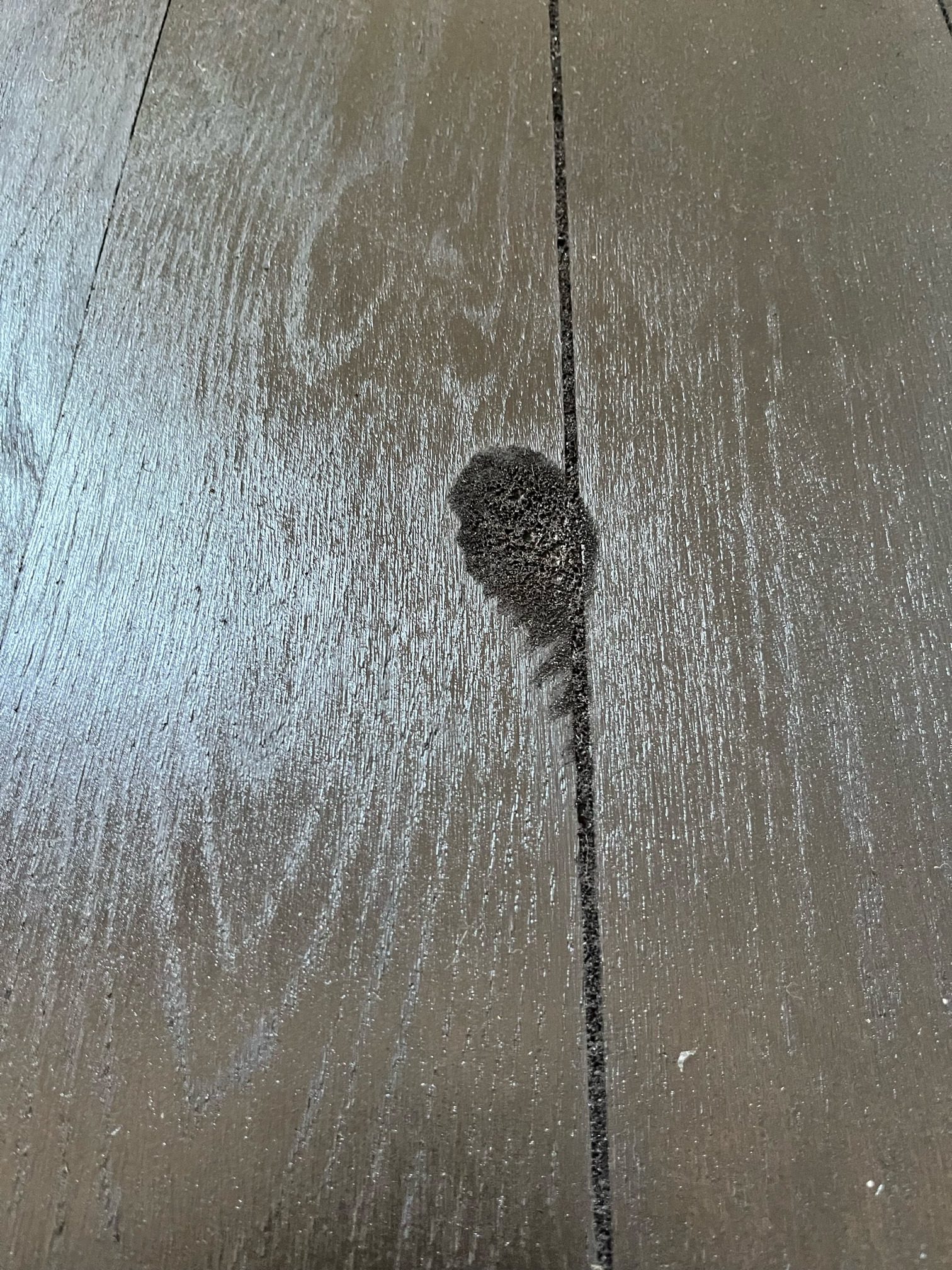
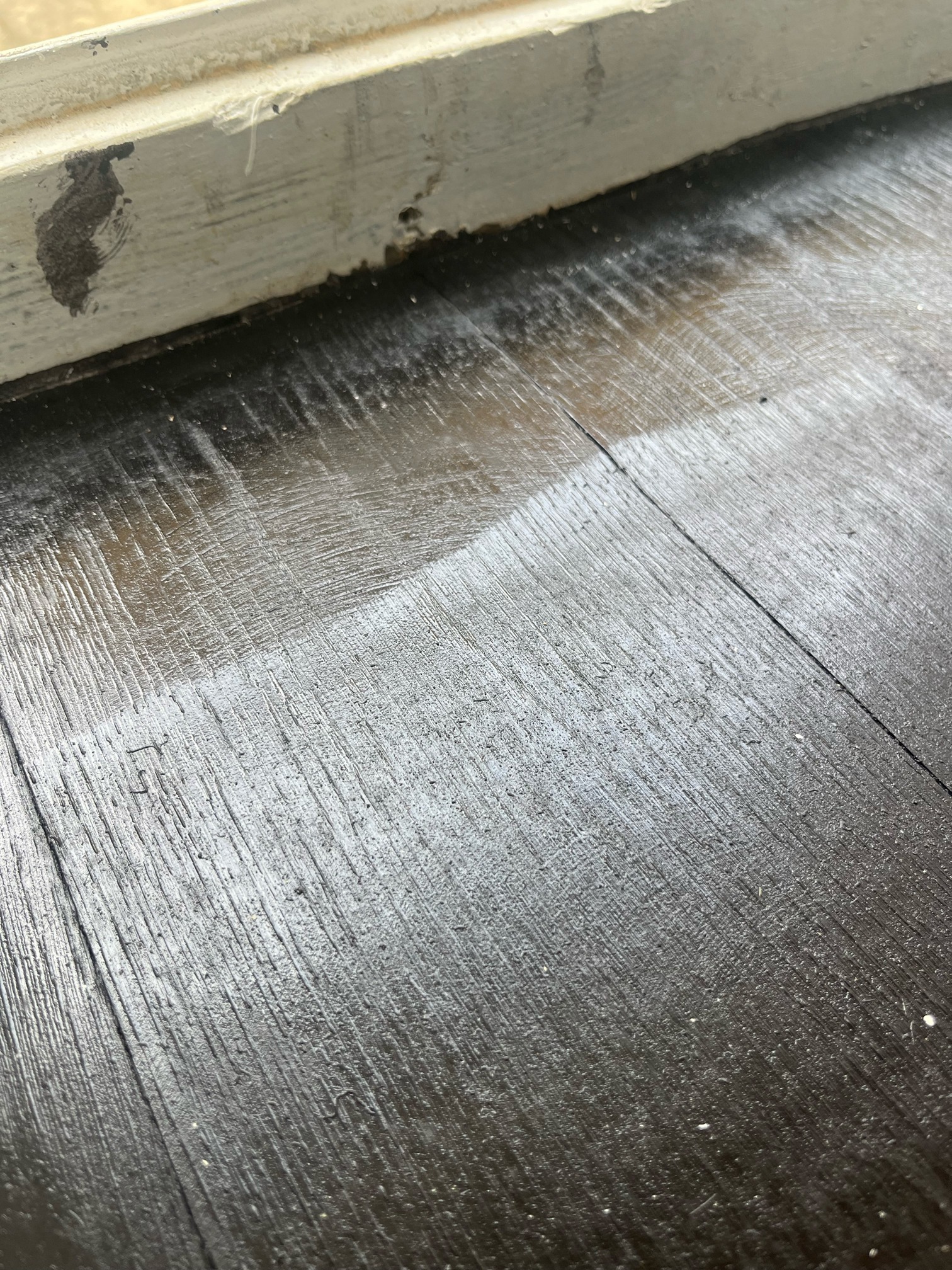
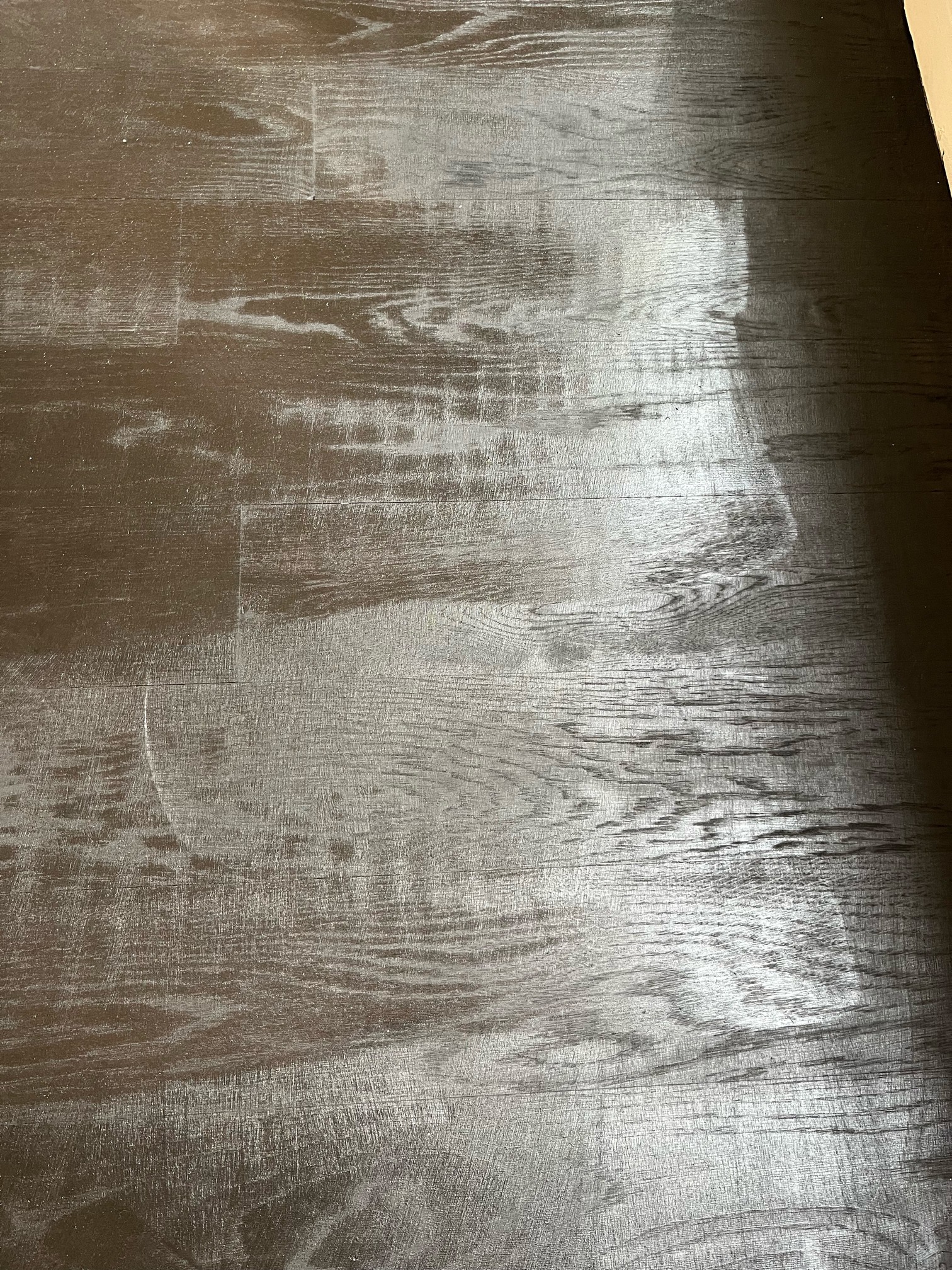
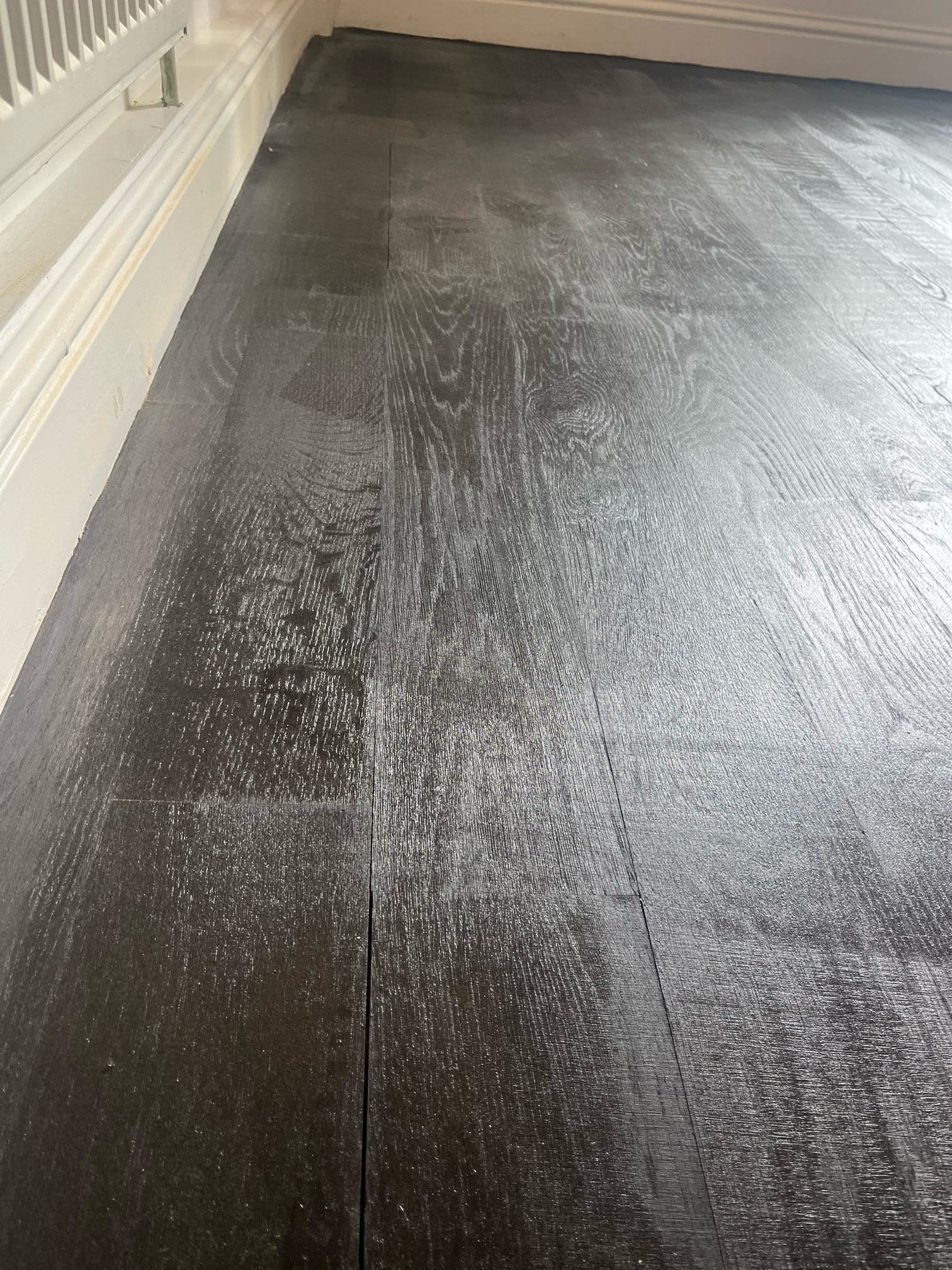
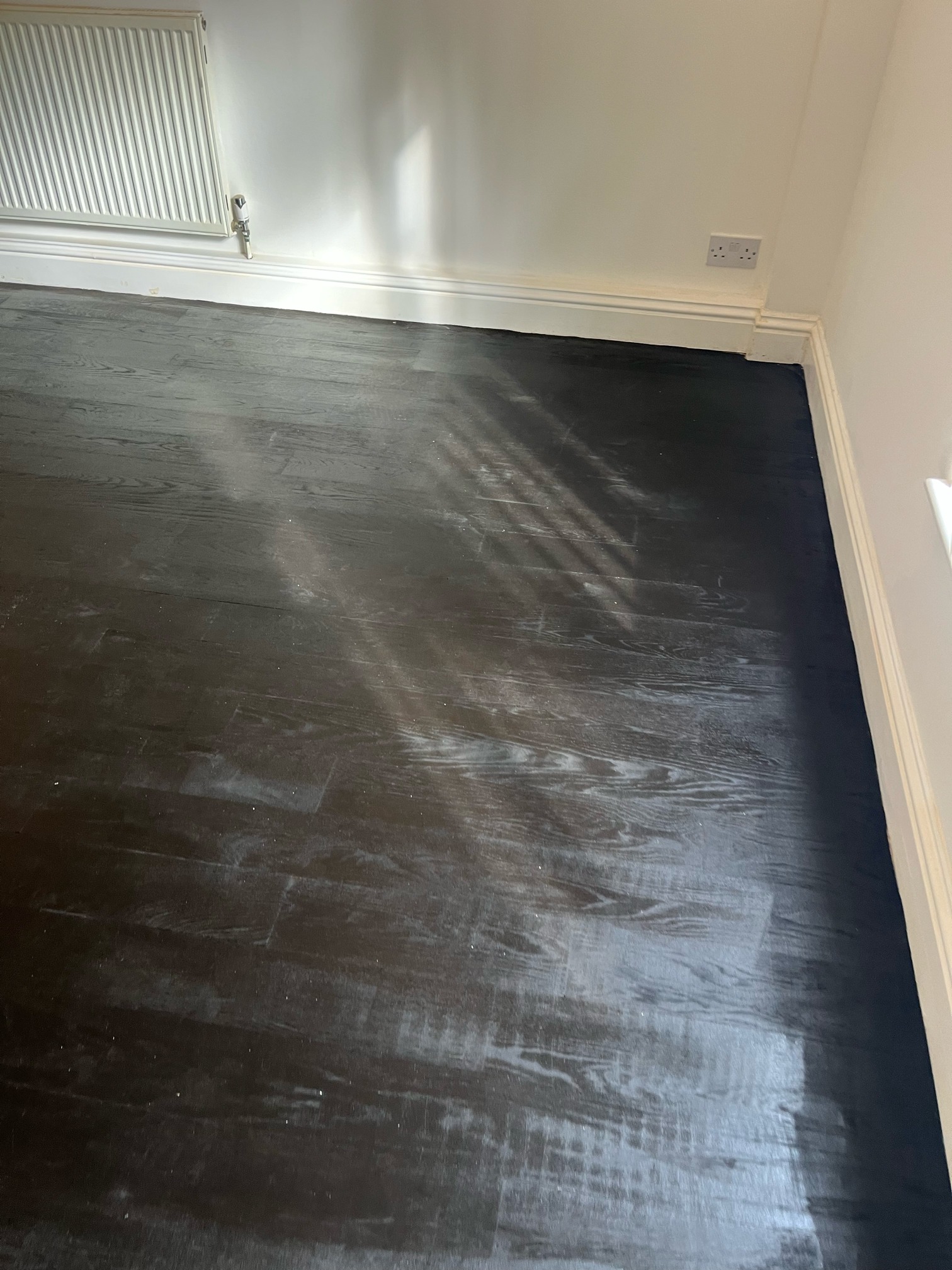
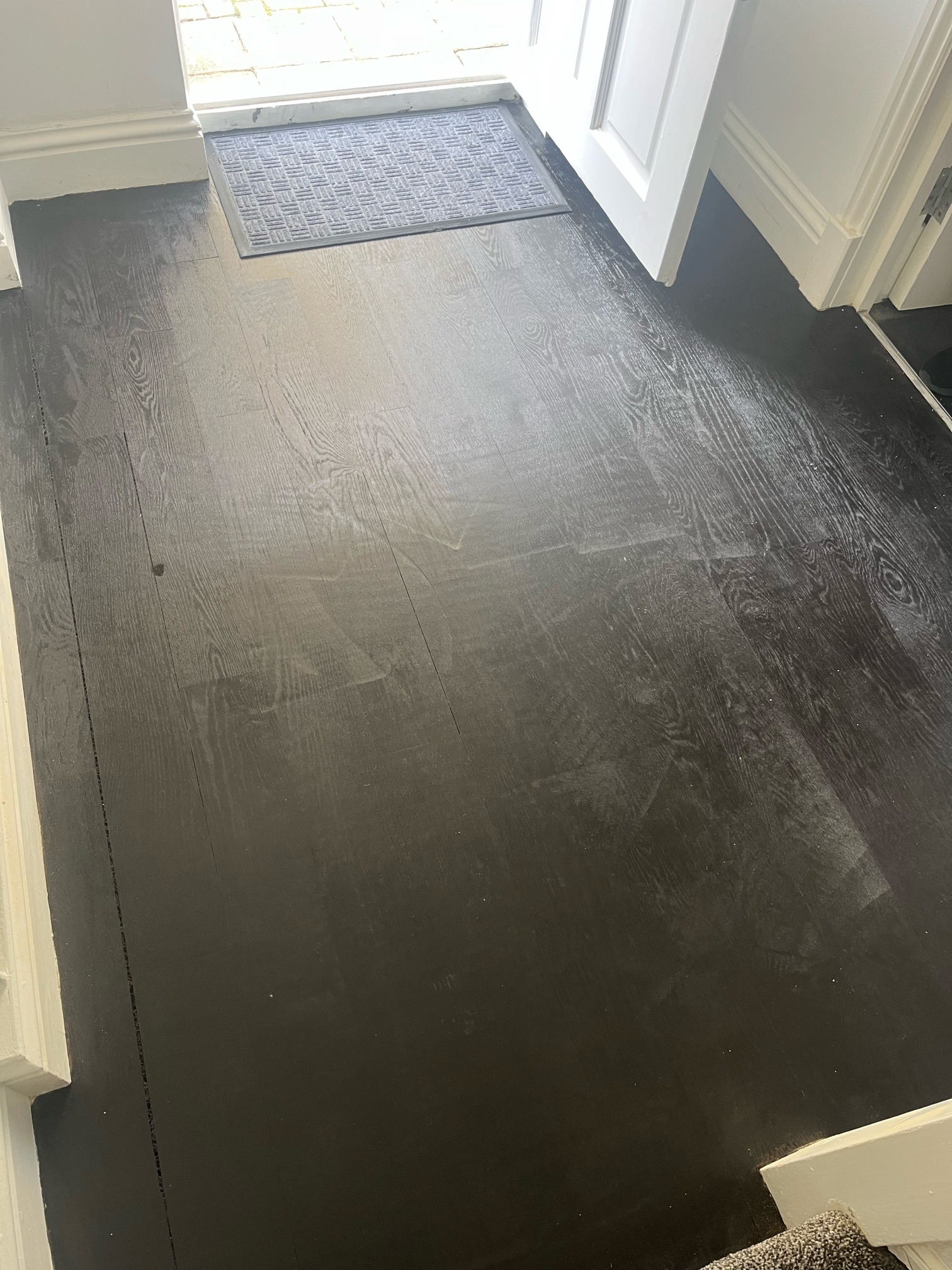
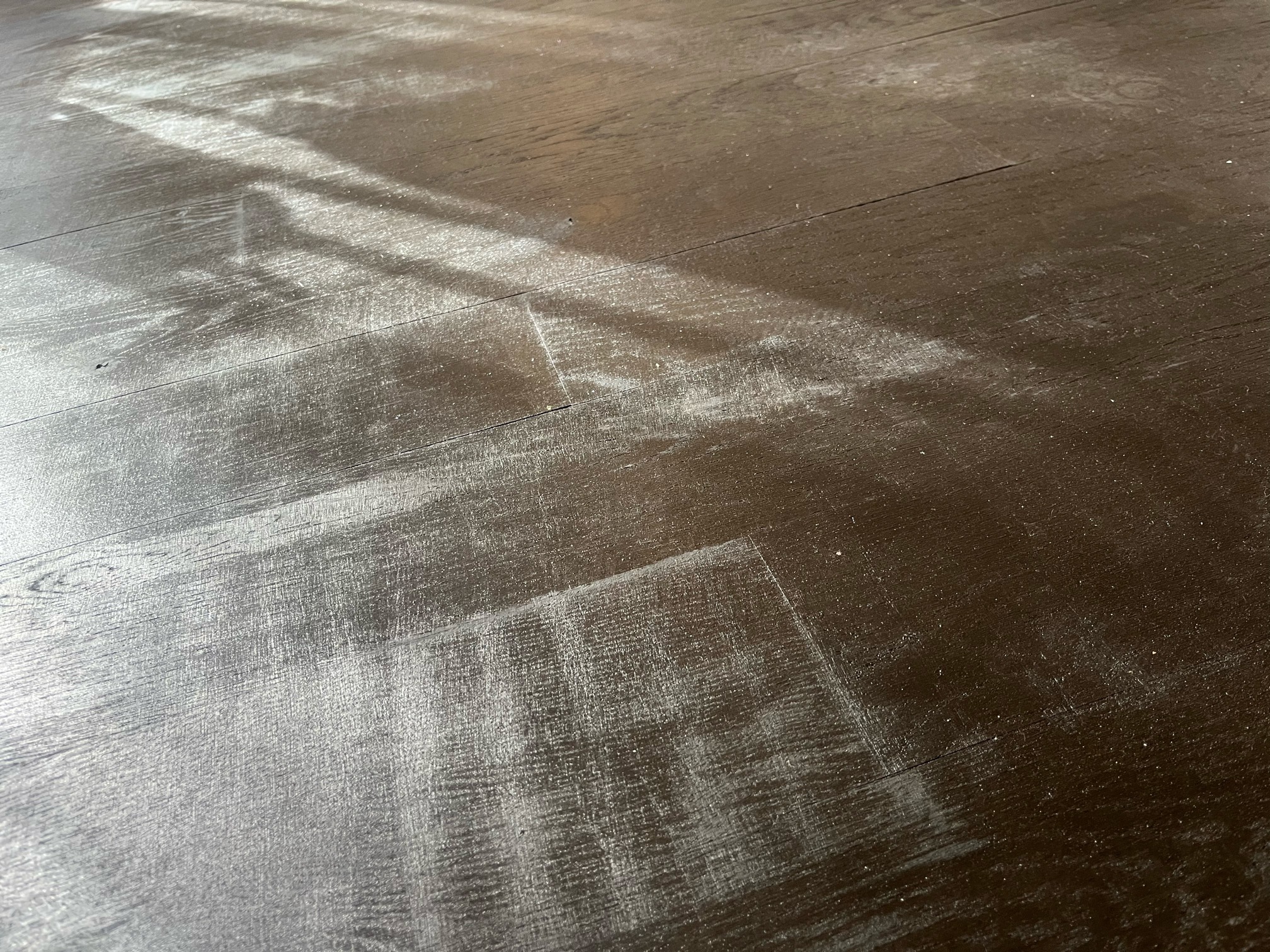
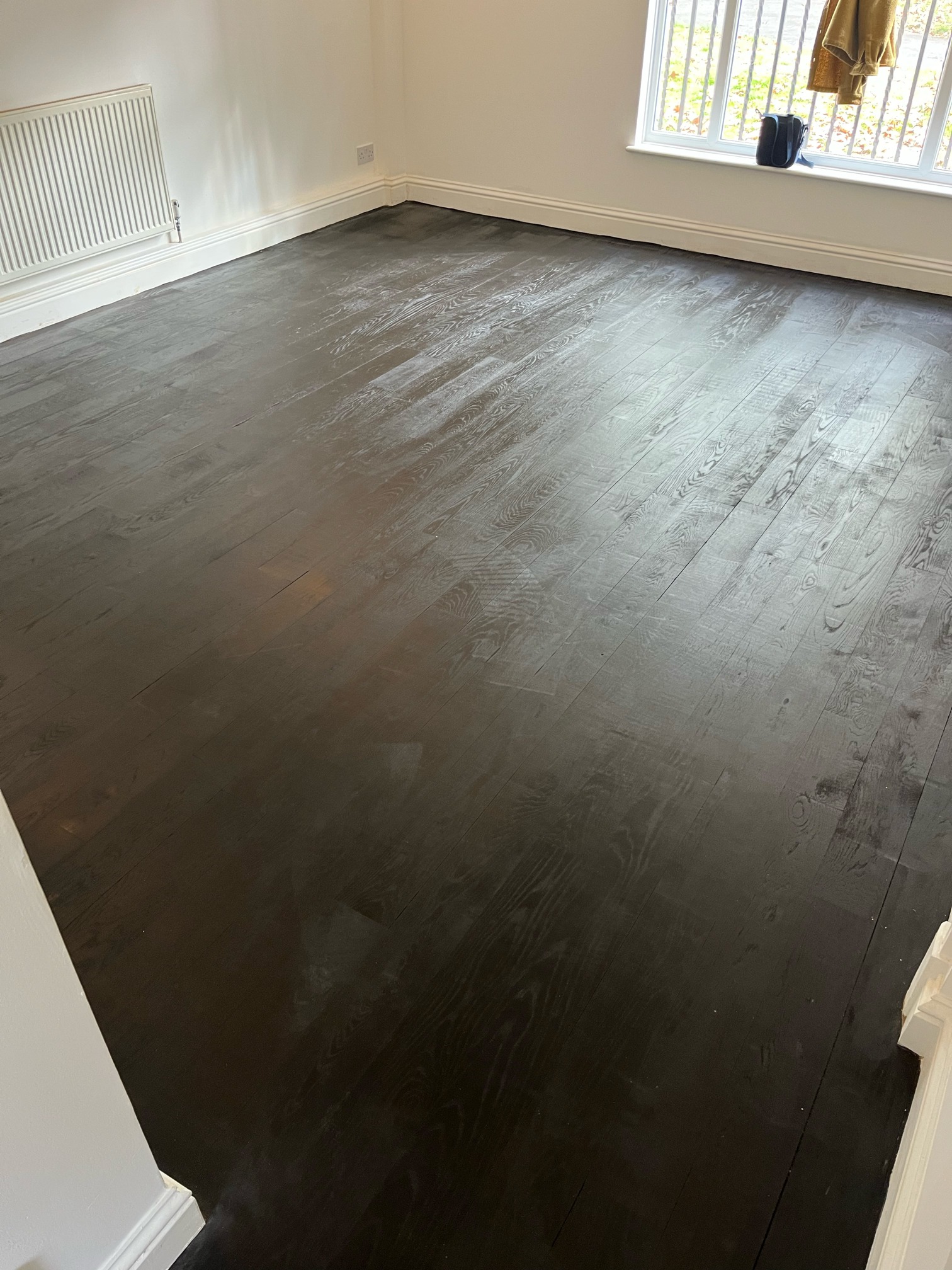
When we came back to the floor, we were looking at sanding unlike anything we’d seen before. Scratches, cross-grain and diagonal machine marks, uneven preparation and patchy colour ran across about 25 m² of flooring.
Because the floor was solid wood, there was enough material to work with, so a corrective approach was possible. We sanded the floor properly, and partway through the job the client changed his mind about the stain. Seeing the natural look of the wood once it had been corrected, he asked us to finish it in a clear matt lacquer instead.
If you’re dealing with a floor that’s been sanded badly, this case study shows what the damage can look like, how we put it right, and why the cheapest quote can end up costing more. For broader support, see our wood floor sanding and refinishing service.
Case Study Snapshot
The Problem: A Badly Sanded Solid Wood Floor
Sanding mistakes are rarely just cosmetic. Machine marks cut across the grain, patchy preparation and uneven colour show up most in good light, which means they’re noticed every day.
In this case, the defects covered the whole floor rather than one area. It wasn’t a case of a few missed spots. The sanding had been done so poorly that the floor looked worse than it needed to, and nothing could be put on top of it until it had been corrected.
The fact that the floor was solid wood mattered a great deal. A solid floor has a full thickness of wood to work with, which gave us room to sand out the damage safely. On a thinner or engineered floor, sanding this poor could have been a serious, possibly irreversible, problem. Here, the damage was obvious and, fortunately, correctable.
For the client, the real concern was whether the floor could be put right, and what the new finish would look like once it was.
Initial Inspection and Assessment
We began with a full inspection of the floor and wrote up a condition report from our visit. This is something we do as standard practice on every job, but it proved especially useful here.
We assessed the floor for:
The key finding was that the damage was widespread and clearly visible. A quick touch-up, or a new finish applied over the top, would only have locked the flaws in. The surface needed to be properly corrected first.
The written report also gave the client something concrete. It documented the condition of the floor, so he was able to take the matter up with the contractor responsible. For more on how we deal with sanding that has gone wrong, see our Wandsworth restoration after a builder’s sanding error.
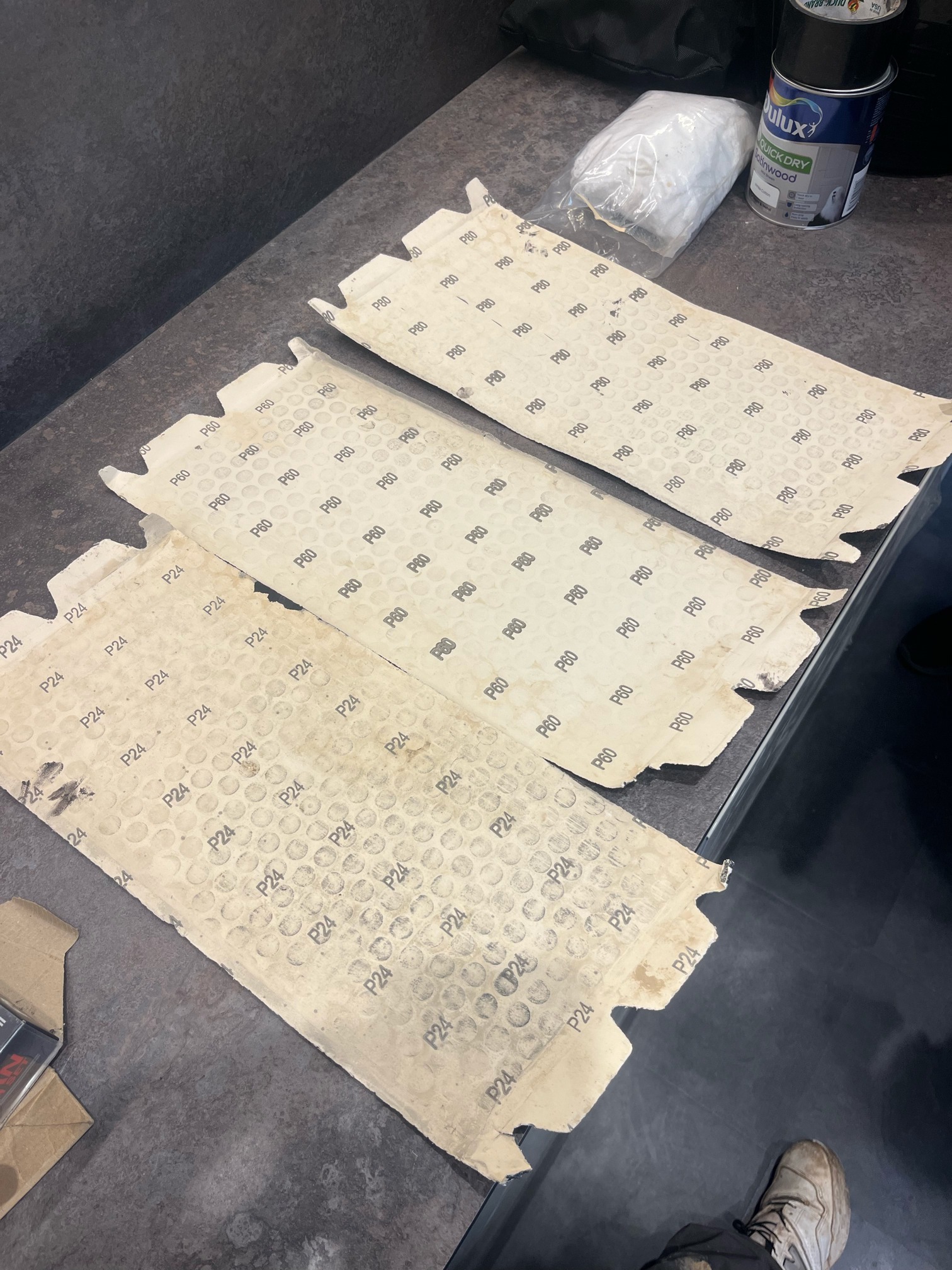
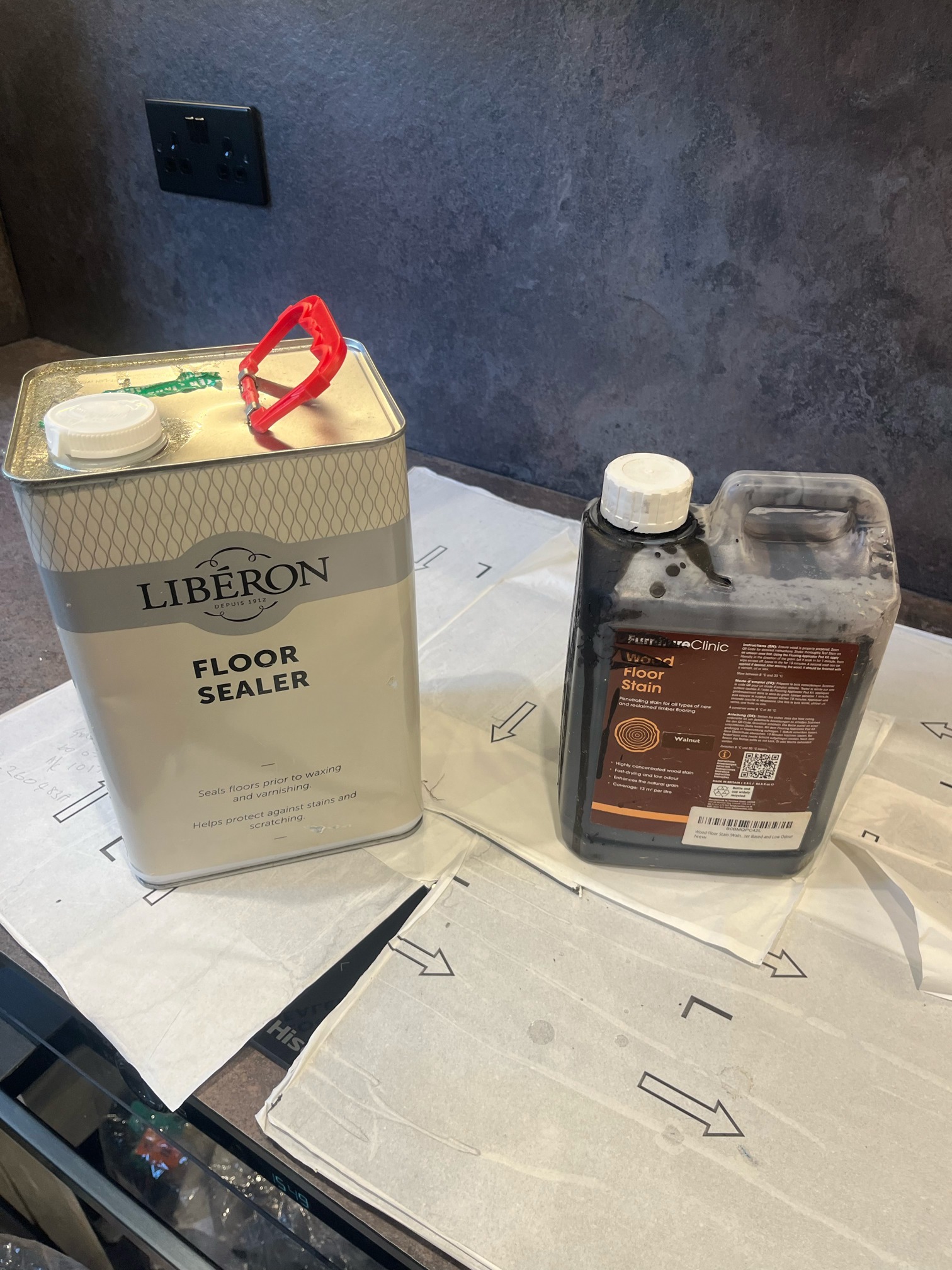
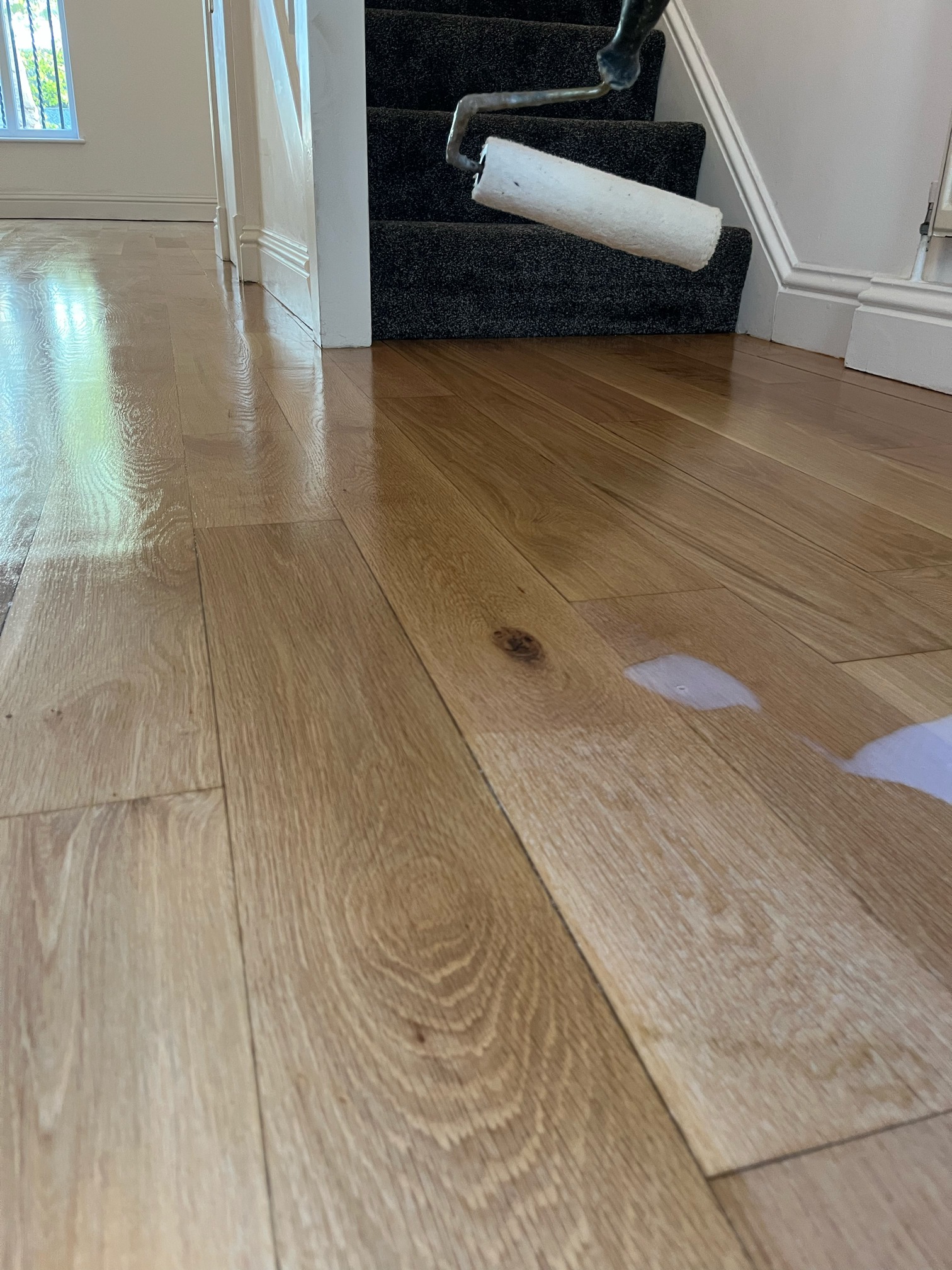
Restoration Process
Corrective sanding
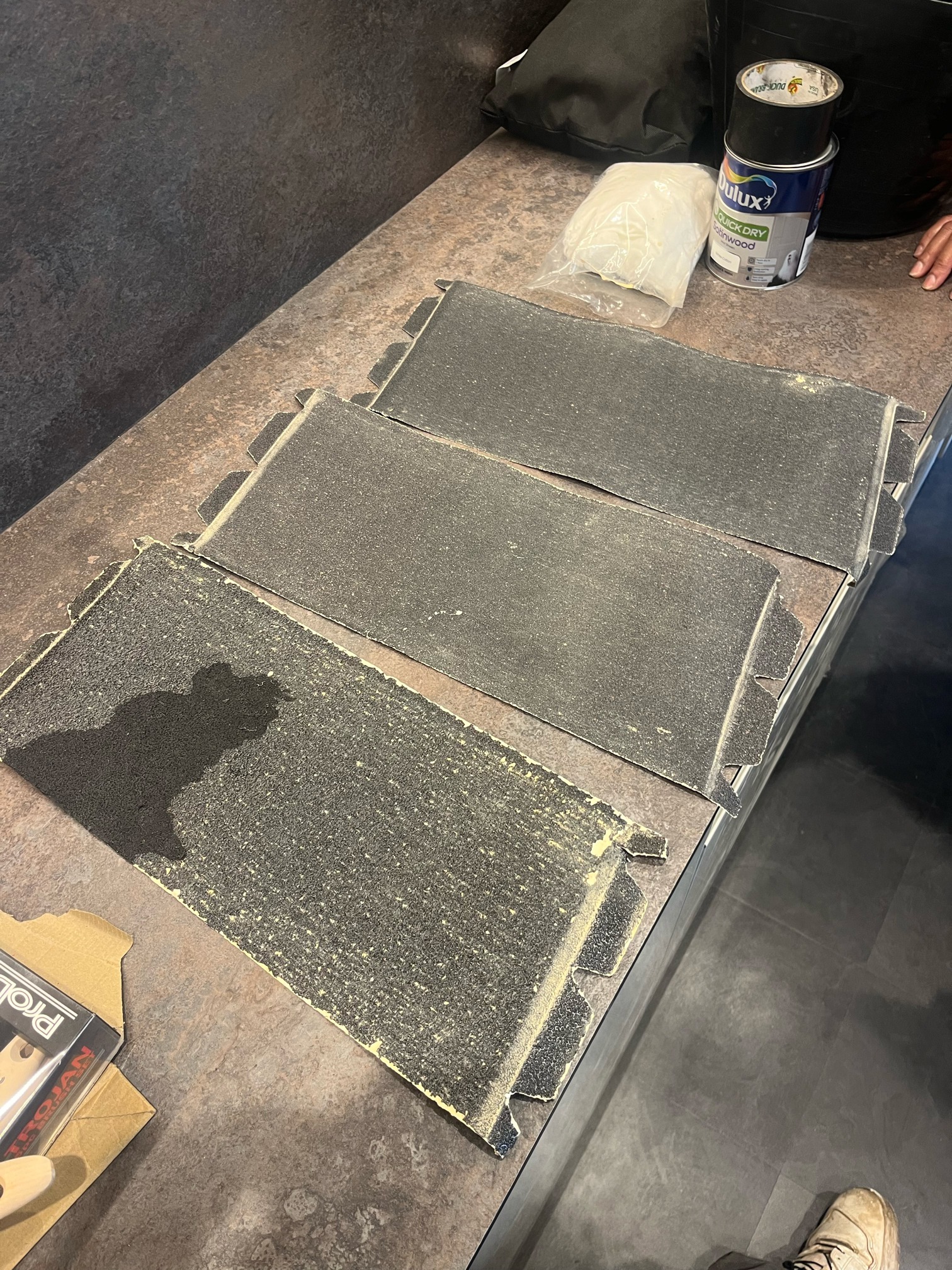
We carried out controlled sanding to remove the defective surface and reduce the previous machine marks. The aim was to take only what was needed from the wood.
Edge and perimeter sanding
Edges are often where poor sanding shows most, so we completed thorough perimeter and edge sanding rather than leaving it as an afterthought.
Progressive refinement
We worked through finer abrasives in stages to bring the surface to an even, consistent state, ready for finishing.
Local filling
Where the floor needed it, we filled locally to leave a sound surface for the finish.
The finish: a change of plan
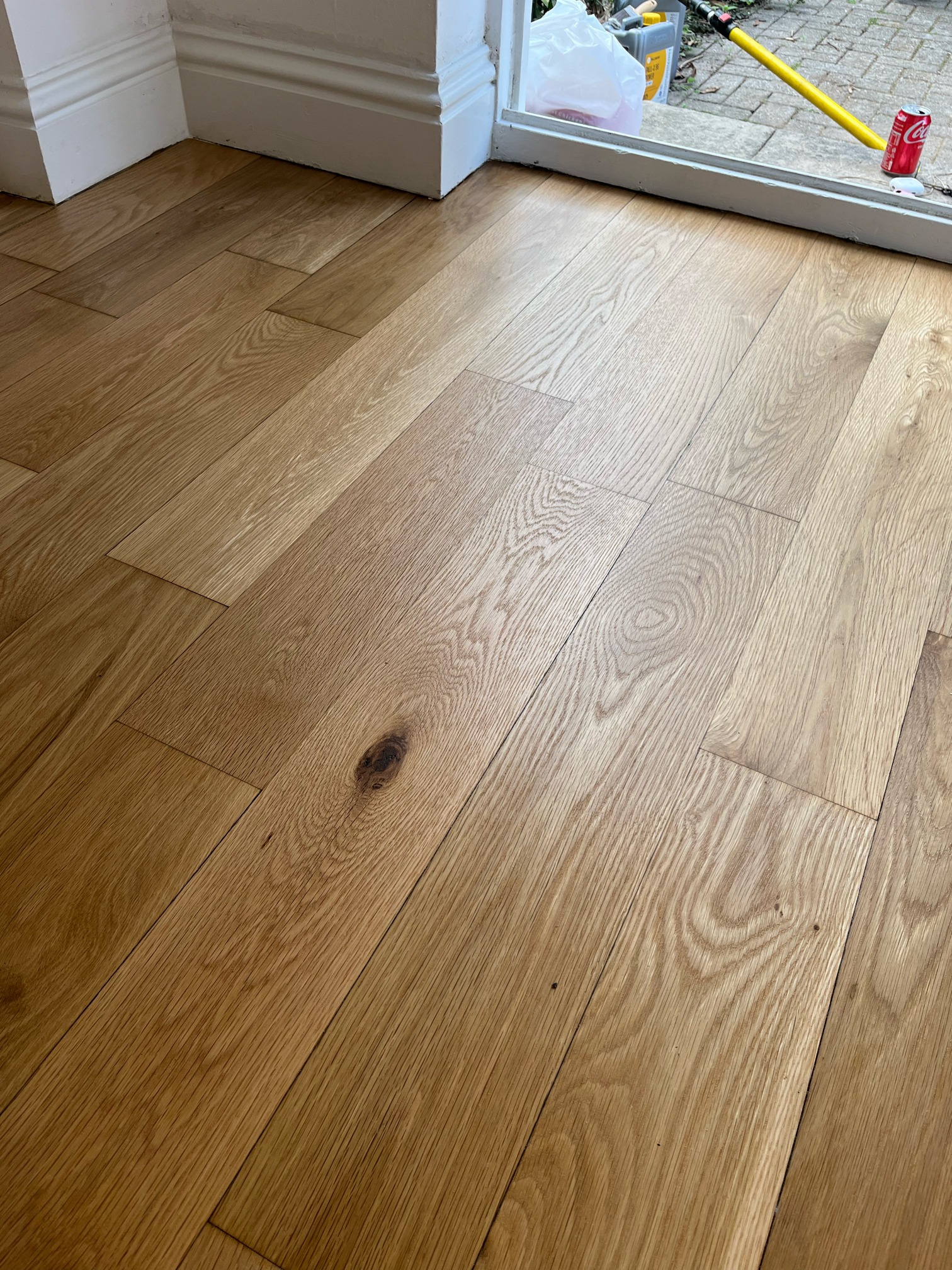
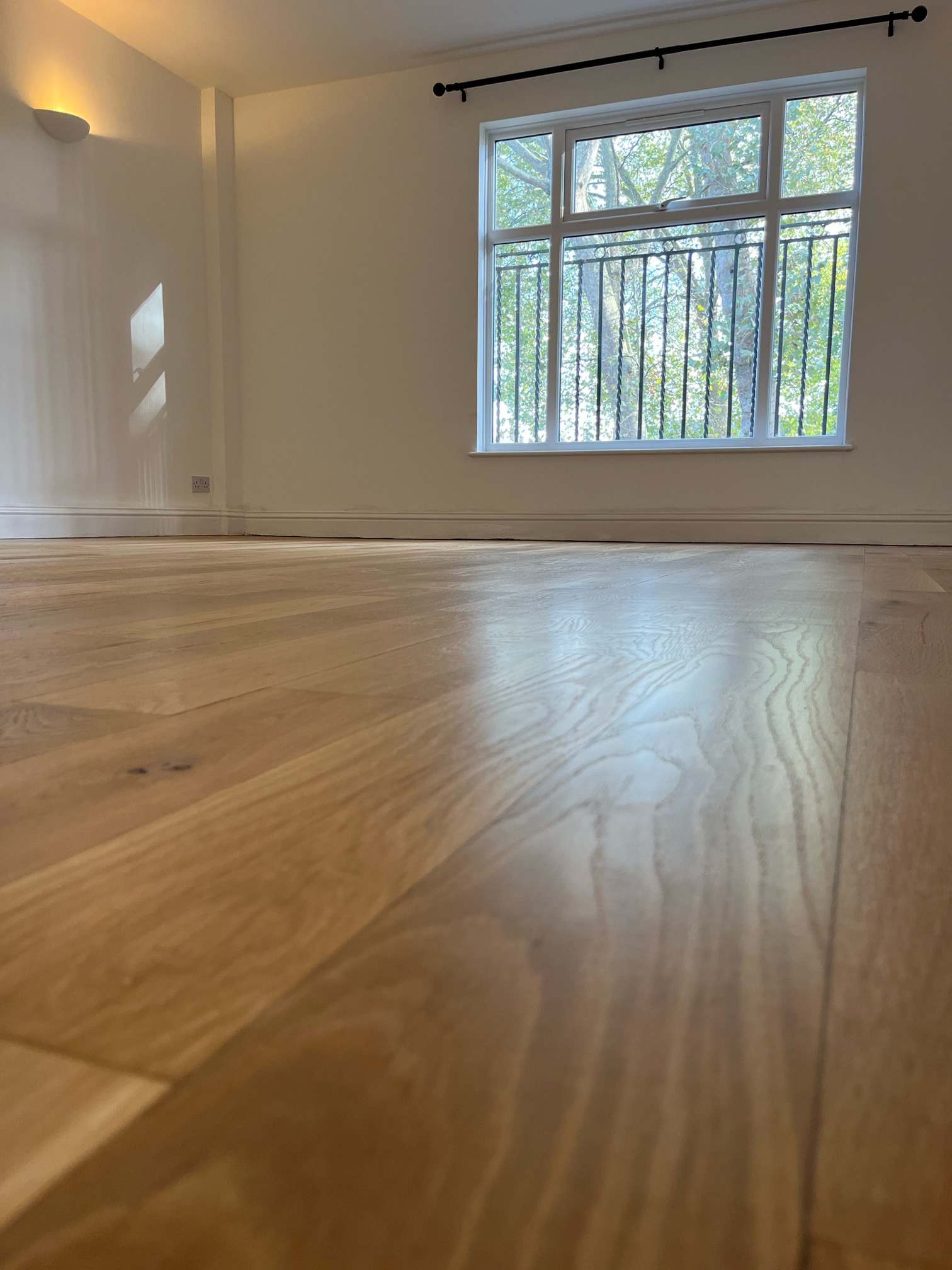
The original plan was to stain the floor a darker, walnut-style colour. Once the corrective sanding was done and the client saw the natural look of the wood, he changed his mind and decided he liked it as it was. We finished it with a clear matt lacquer system, Pallmann’s Pall-X 96, a water-based lacquer designed for heavily used floors. No stain was applied.
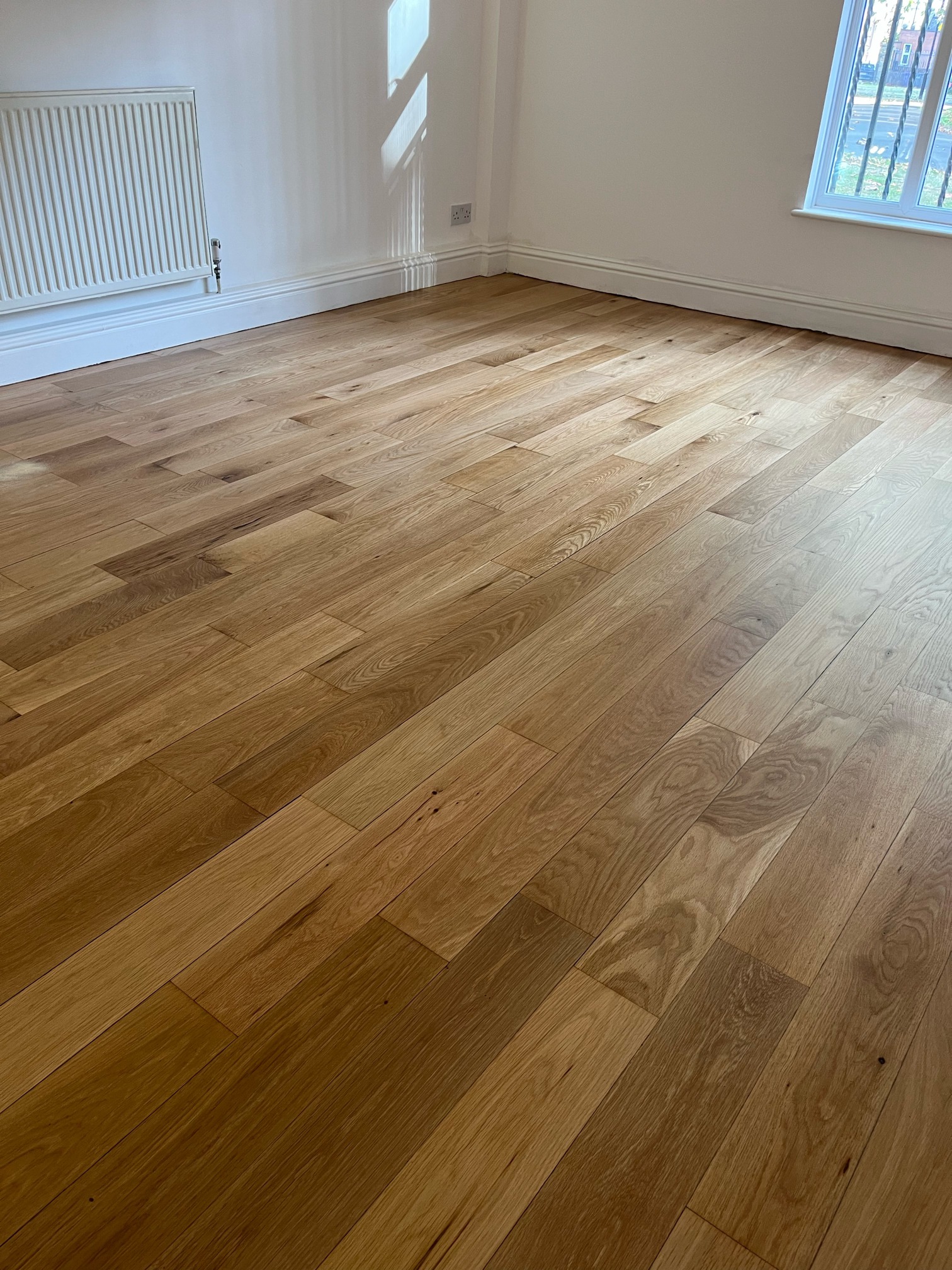
Results
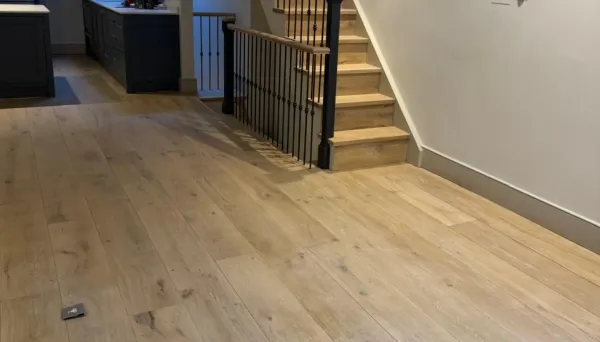
The floor now has a consistent, even surface with a clear matt appearance. The scratches, cross-grain marks and patchiness that stood out so clearly are no longer what you notice. The client had come to us wanting a darker colour and left with a floor he preferred in its natural tone.
For a similar finish, see our sanding and lacquering project in Wanstead.
Get in Touch
If a previous sanding job has left your floor scratched, patchy or uneven, the best first step is a proper assessment. We’ll tell you whether it can realistically be corrected and what finish will suit it.
Get in touch via our contact page or call 020 3835 2294 for honest advice and a practical plan.
This job came with four main challenges.
First, the defects were widespread. Because the problems ran across the whole floor, correcting them meant a methodical approach rather than a spot repair.
Second, the work was already compromised. We were correcting someone else’s sanding, which is more demanding than starting from a clean surface.
Third, the edges needed as much attention as the main floor. Perimeter sanding is where an uneven result is most noticeable.
Fourth, the plan changed partway through. The client began with a stain in mind and changed to a clear matt lacquer once he saw the corrected wood. A good finish depends on listening, and we adapted to the decision.
The cost of sanding depends on the size of the floor, the condition of the wood and how much preparation is needed. In this case, the corrective work added about a day to the original quote, because we had to fix the earlier sanding before the floor could be finished.
That’s the real cost of choosing on price alone. A cheaper first quote doesn’t include the cost of putting things right afterwards. In this case, the client paid for sanding twice, once for the poor job and once for the correction. A job done properly from the start would have avoided that. The client was also able to take our report to the contractor who caused the damage, which put him in a stronger position than he would otherwise have had.
A badly sanded floor tempts people into a quick fix: another coat of finish, or another pass with a machine, and hope for the best.
Sometimes that works for minor marks. It rarely works when machine marks and uneven preparation run across the whole floor. Professional sanding gives you a proper assessment, the right sequence of work, and a finish applied to a surface that’s genuinely ready for it. And when something has gone wrong, a written condition report gives you a clear record of the damage.
A newly lacquered floor needs the right care to stay looking its best. Pallmann’s own care and maintenance instructions for lacquered floors cover curing time, cleaning and ongoing care, and are worth following. Keeping grit off the floor and avoiding excess water are simple habits that protect the finish.
Frequently Asked Questions
In many cases, yes. It depends on how widespread the defects are and how much wood is left to work with. A solid wood floor generally gives more room for correction than a thin or engineered one.
Not always. If the work has to be corrected afterwards, you can end up paying twice. In this job, the correction added about a day of work to the original quote.
We write one from every visit as standard practice. It records the state of the floor, which can be useful if you need to raise an issue with a previous contractor.
Often, yes. In this project the client decided to skip the stain after seeing the natural wood, and we finished it in clear matt lacquer instead.
A matt lacquer has a low-sheen, natural appearance. It’s a popular choice when you want the floor protected without a glossy look.
Contact us for more information.
Happy Customers
Read what our satisfied customers have to say
Efficiency
Effortless scheduling and premium results – we make it simple to book expert floor care that’s done on time, every time.
Satisfaction Guaranteed or Your Money Back
We complete projects on time, every time
We deliver exceptional quality for every project

Guaranteed satisfaction
At Silver Lining Floor Care, we prioritize your satisfaction above all else. Our team of experts is dedicated to providing unparalleled service that exceeds your expectations.

Always provide a courteous and professional service.

Start and finish on time as agreed with the customer.

Apply our expertise at all times.

To protect your property and leave it clean.

Offer a full follow up service should you need it.
Expertise
Craftsmanship, Care, and Trusted Service Since 2004
At Silver Lining Floor Care, we bring experience and precision to every surface we treat. Our comprehensive services are designed to restore, clean, and protect all types of flooring—helping you maintain lasting beauty, hygiene, and value. Whether it's natural stone, hardwood, or soft furnishings, we've got it covered:
Whether you need a full transformation or regular upkeep, we’re here to help. Explore all our services and see how we can bring your floors back to life.
Portfolio
At Silver Lining Floor Care, we take pride in our expert floor restoration services across London. Our portfolio showcases stunning transformations that highlight our commitment to quality and precision. Whether it’s restoring old floors or enhancing their beauty, our work reflects the highest standards in the industry.
Knowlege centre
Stay informed with our informative blog posts