

 info@silverliningfloorcare.co.uk



Learn how to safely clean natural stone floors without etching or staining. From daily care to what to avoid.
Read more

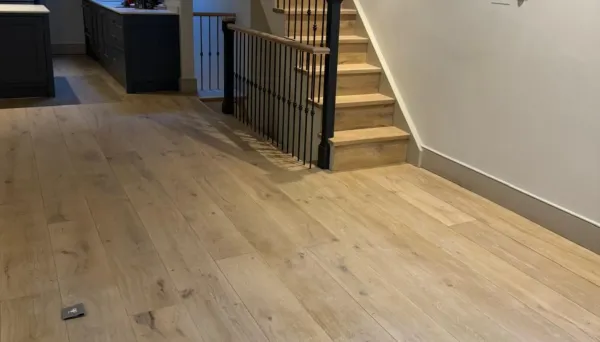
54 m² solid hardwood restoration in Islington. We prepared on-site samples to compare primers, then finished with a durable lacquer system for longevity and a richer tone.
Introduction and Case Overview
A hardwood floor doesn’t fail overnight. It wears down slowly, one winter and one dinner party at a time, until one day you notice it no longer looks like the floor you remember.
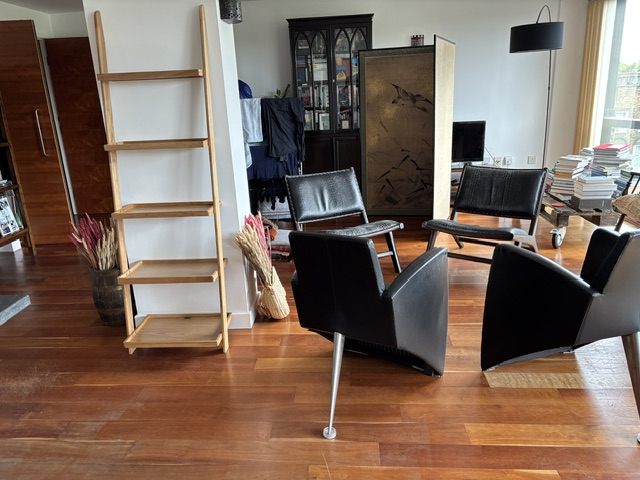
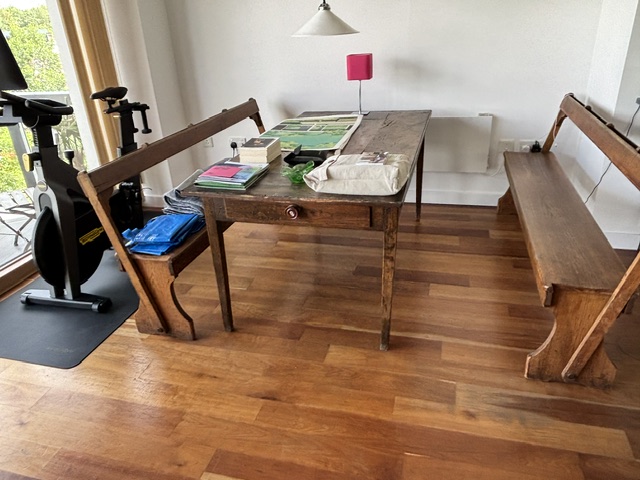
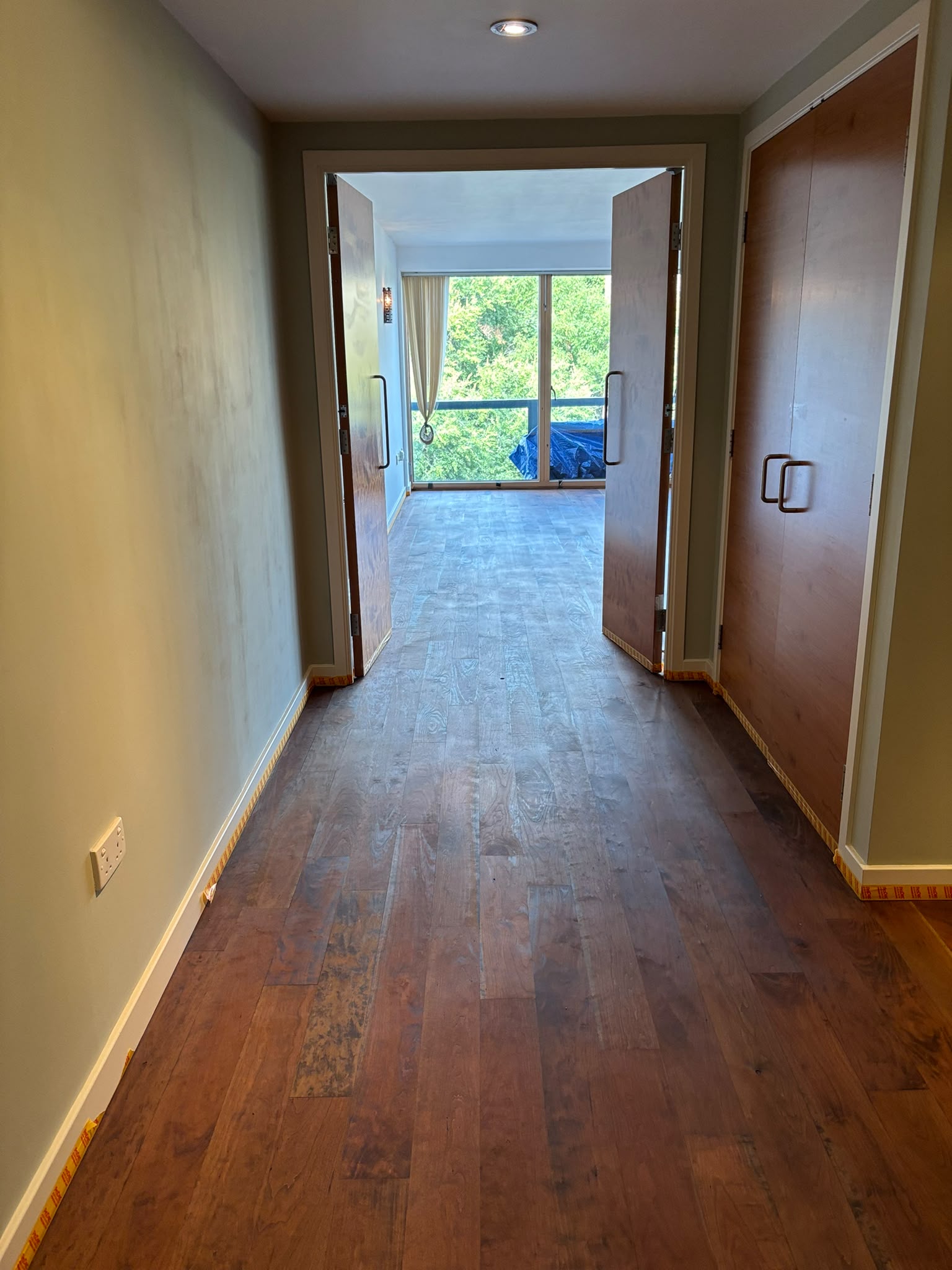
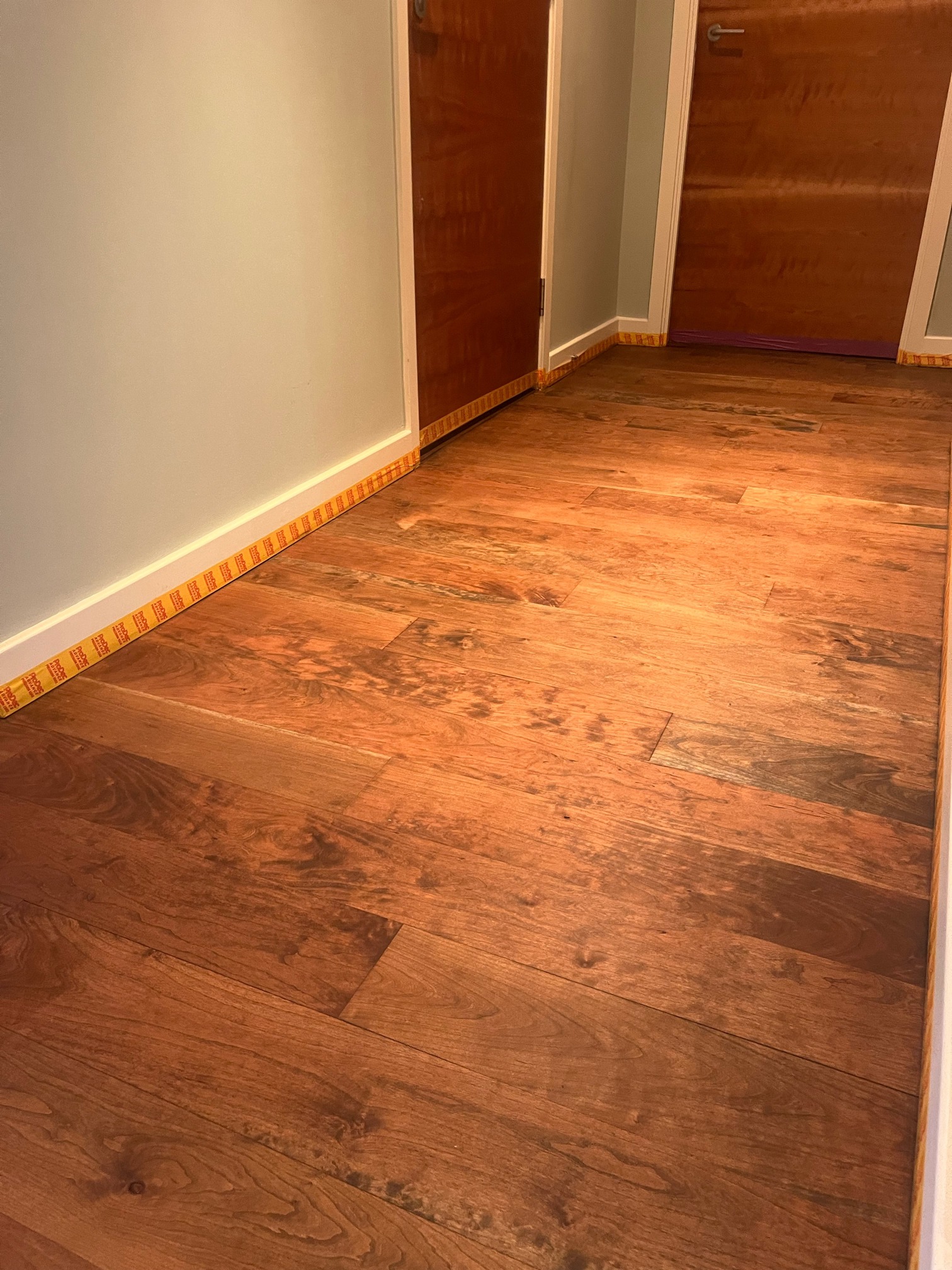
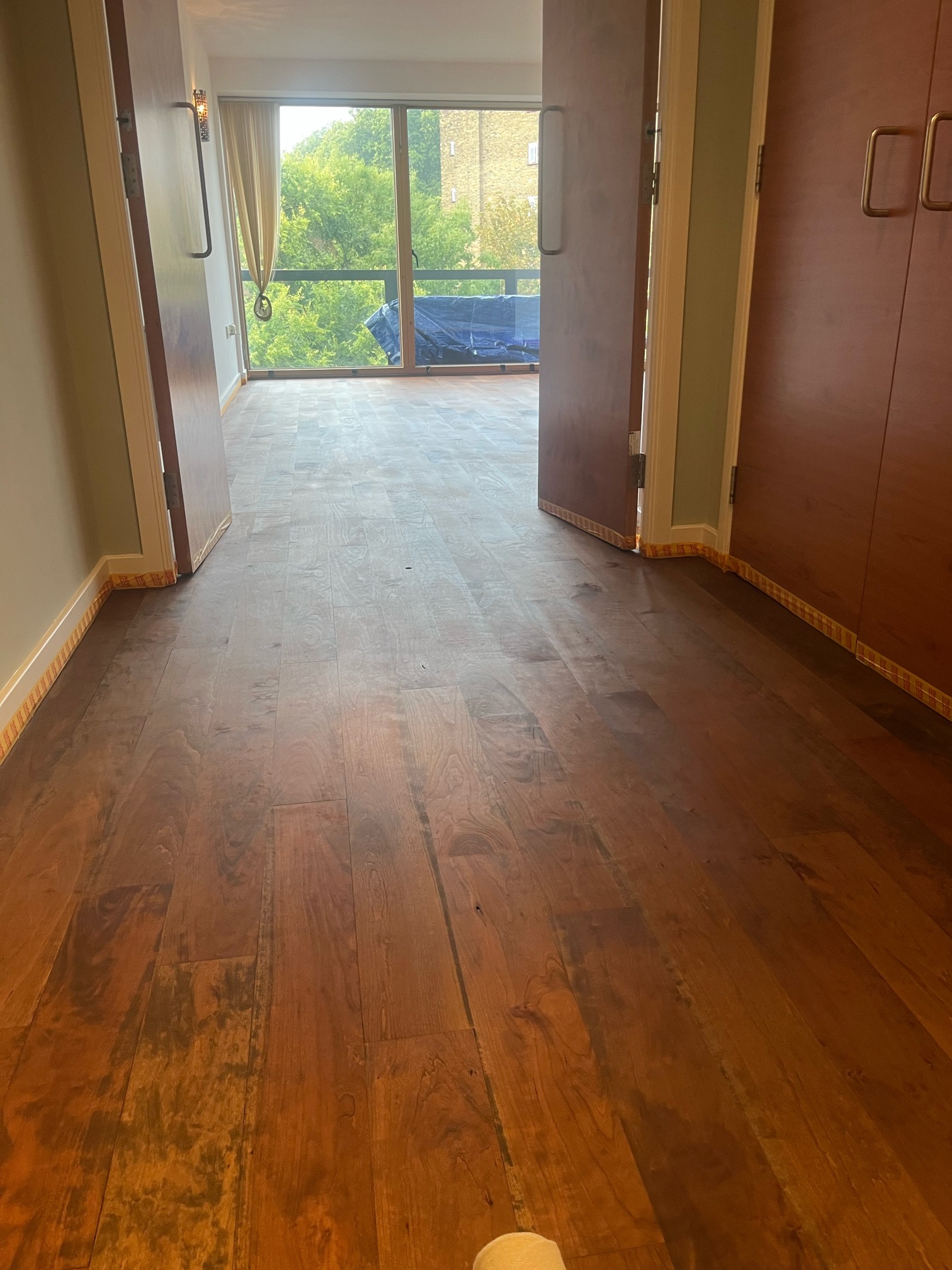
That was the story in this Islington home. The solid hardwood floor was around 25 years old, and 54 m² of it had picked up general wear and marks over the years. The timber underneath was sound. The client simply wanted it brought back to life, and this time they wanted it to last.
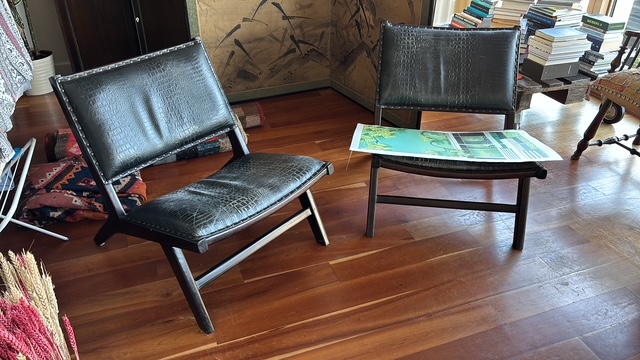
There was one more detail that shaped the whole job. The client preferred a slightly deeper, redder tone, something that would sit comfortably alongside their existing joinery. A floor can be perfectly protected and still look wrong next to the woodwork, so colour mattered as much as durability.
If you are weighing up a tired hardwood floor of your own, this case study shows how we approached it: testing before committing, choosing a system built for longevity, and restoring the floor as a whole. For more on what we do, see our wood floor sanding service in Islington.
Case Study Snapshot
The Challenge: A Floor That Had Earned Its Wear
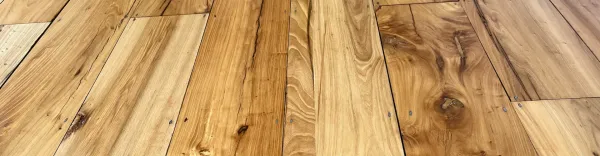
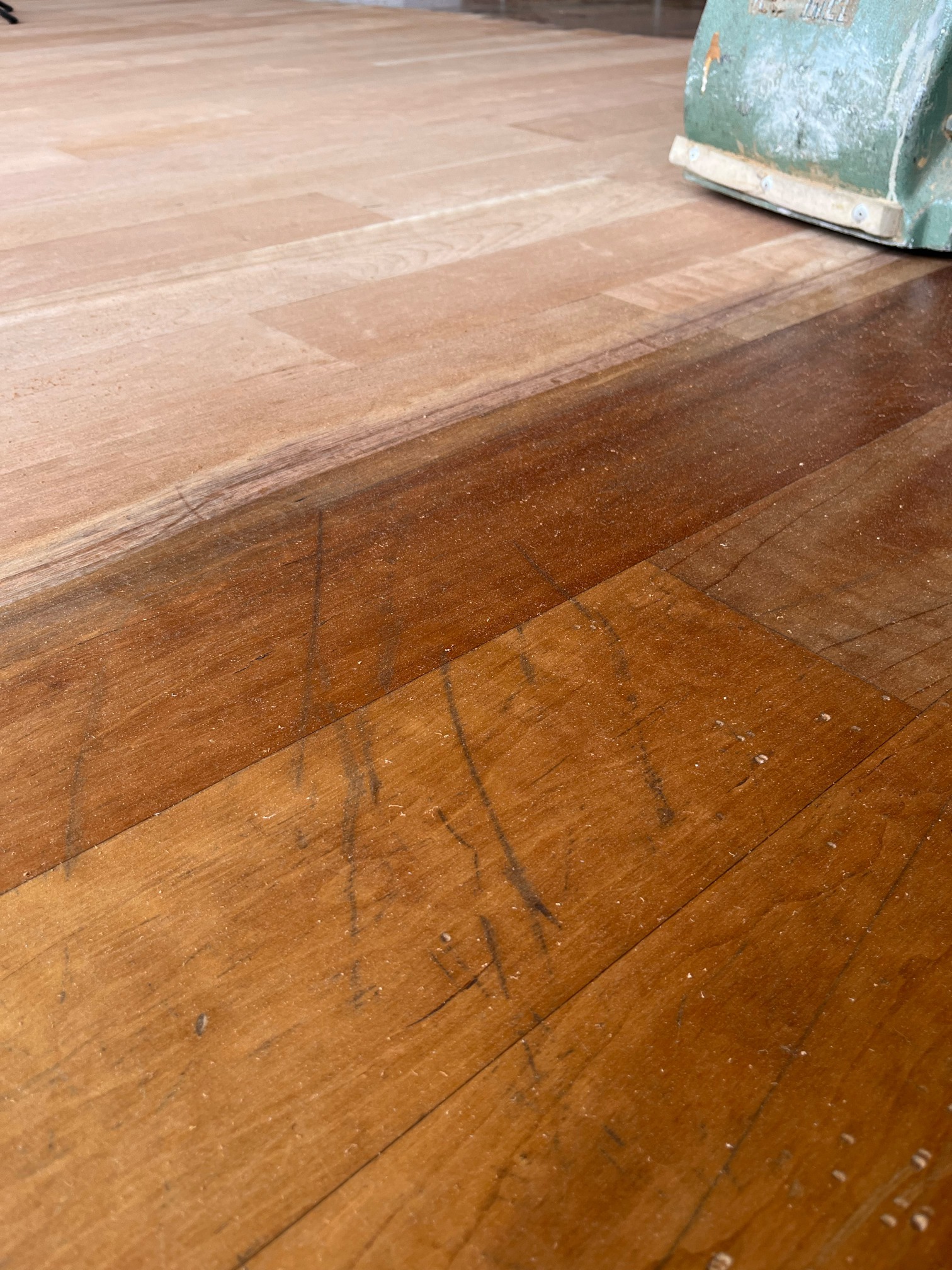
Twenty-five years is a long time for a floor. In that time it had carried daily life, and it showed. The wear and marks were general, spread across the floor instead of confined to one trouble spot. The finish was no longer protecting the timber the way it should.
For the client, there were two worries. The first was longevity: they did not want to restore the floor only to face the same job again in a few years. The second was tone. A deeper, redder colour was the goal, but a colour that looks lovely on a data sheet can look quite different on a real floor, next to real woodwork.
Choosing the wrong finish would have meant living with it. That is why the first step was not sanding at all.
Initial Assessment and Sample Day
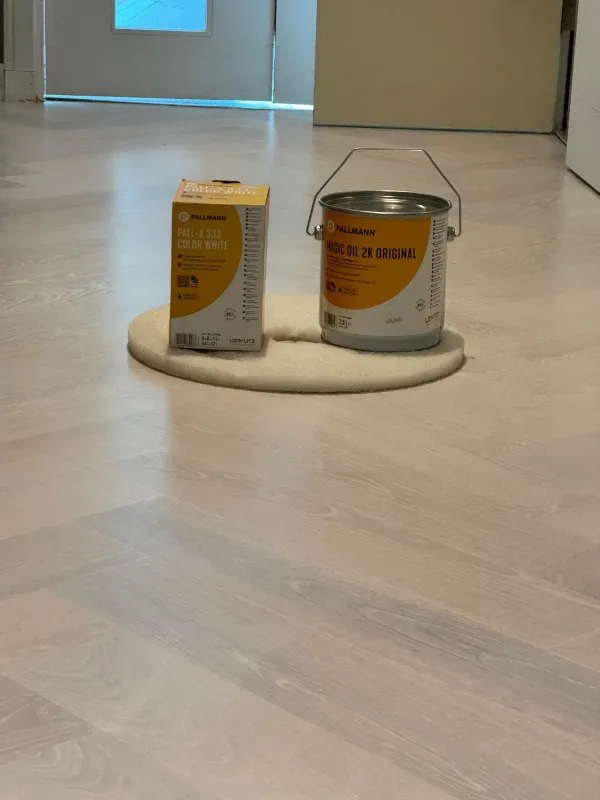
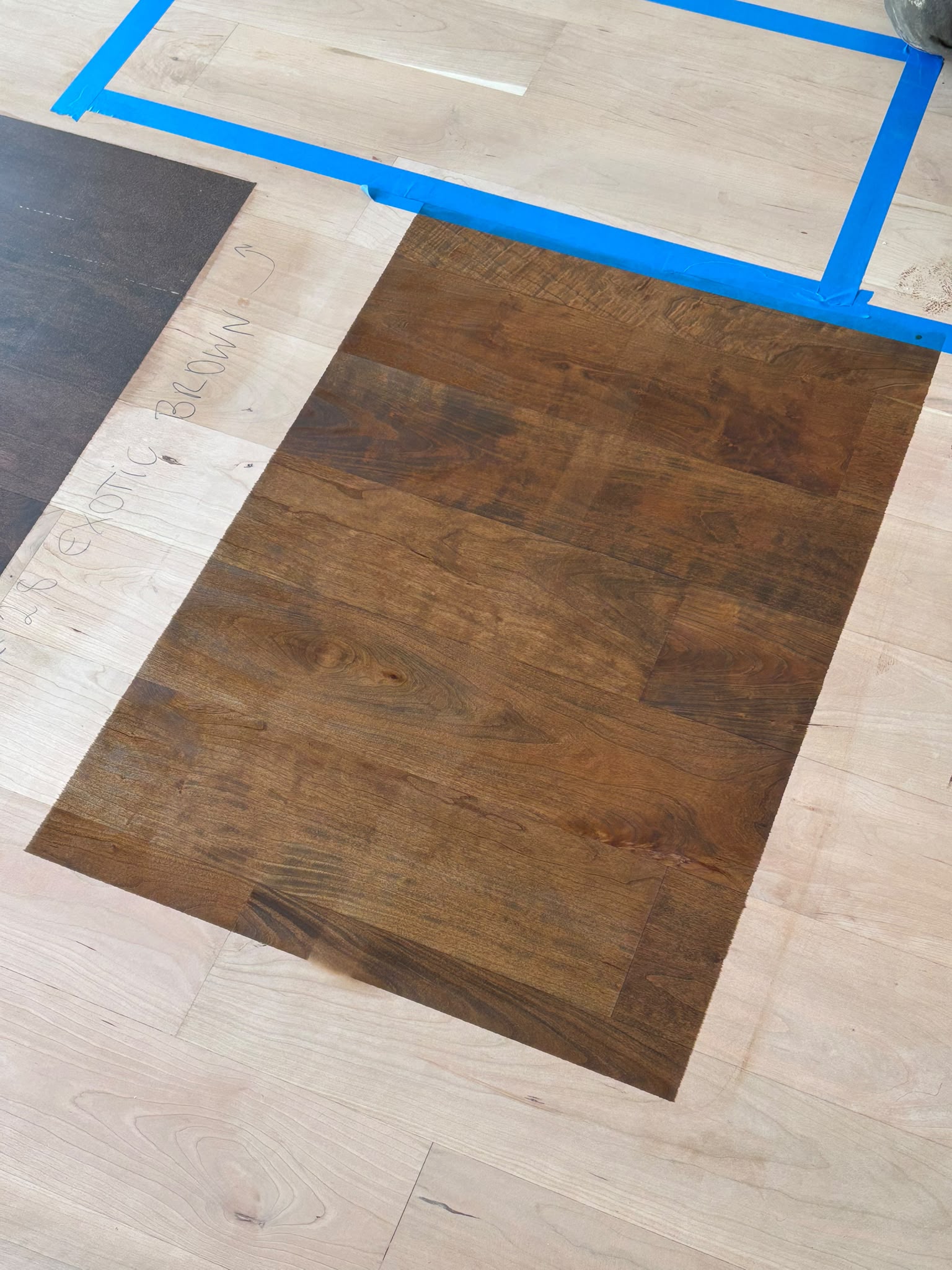
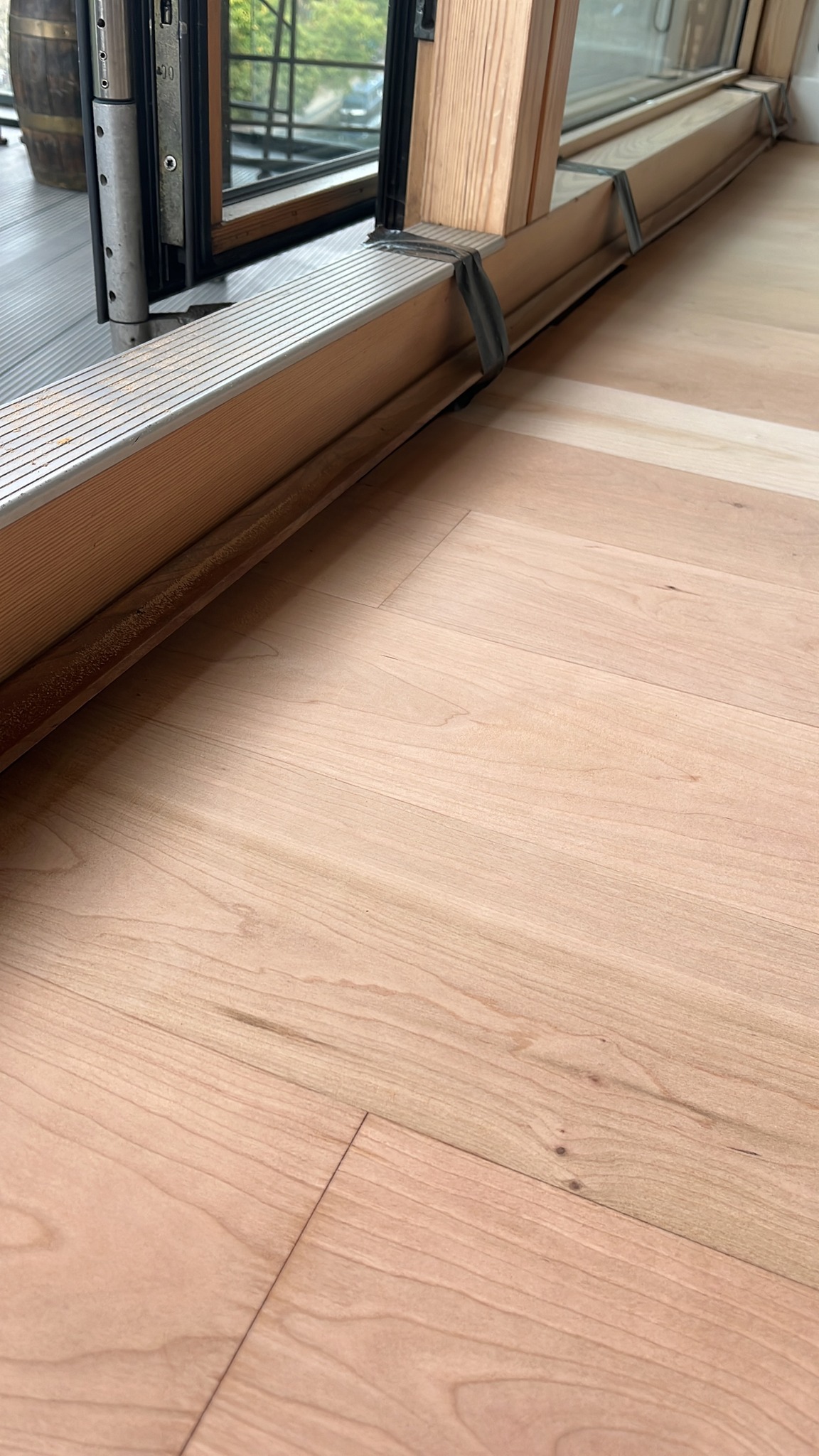
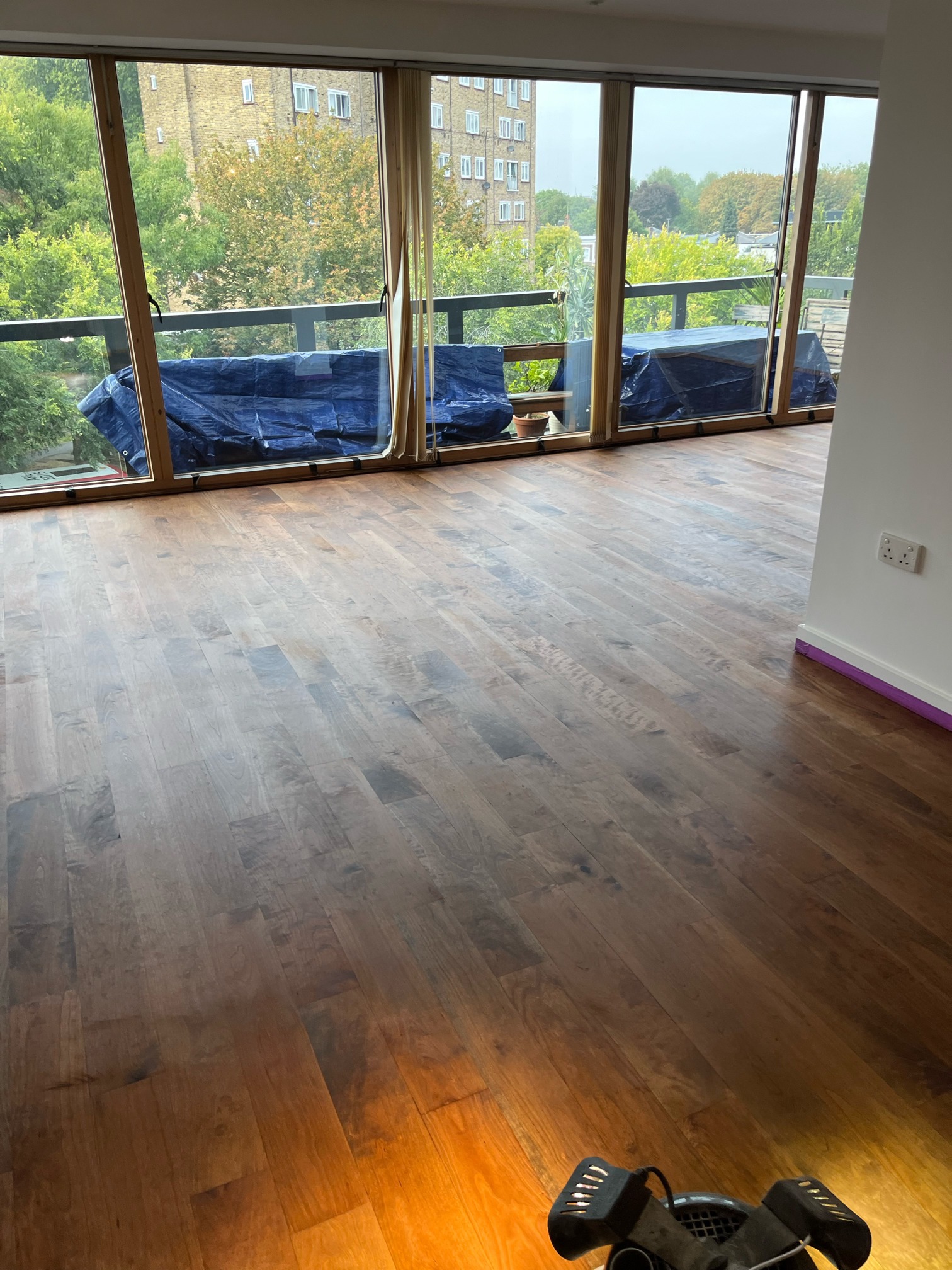
Before committing to a finish, we prepared sample areas on the floor itself on day one. This is a step we value on any job where colour matters. Primers and finishes can behave differently from one floor to the next, depending on the timber and its condition, so we would rather show you than tell you.
We compared two primers side by side:
We also demonstrated how the lacquer options would look, so the client could judge the whole system in place, not just the first layer.
The result was a decision made with confidence. The client could see the real tone on their own floor and choose what suited the room. If you would like to see how we handle a similar finish decision, take a look at our oak floor sanding and lacquering in Wanstead.
Restoration Process
Choosing The System
Once the samples had been compared, we agreed the approach with the client: a two-component primer suited to this hardwood, followed by a high-durability waterborne lacquer system. It combined two things the client had asked for: long-term protection and a warm, deeper look that would work with the joinery.
Sanding And Preparation
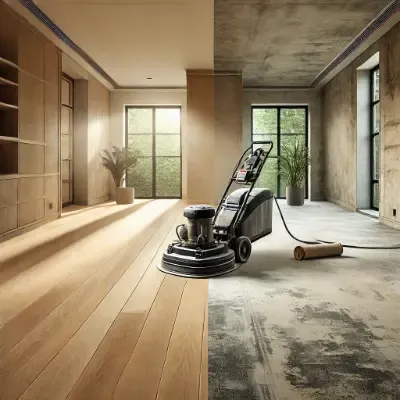
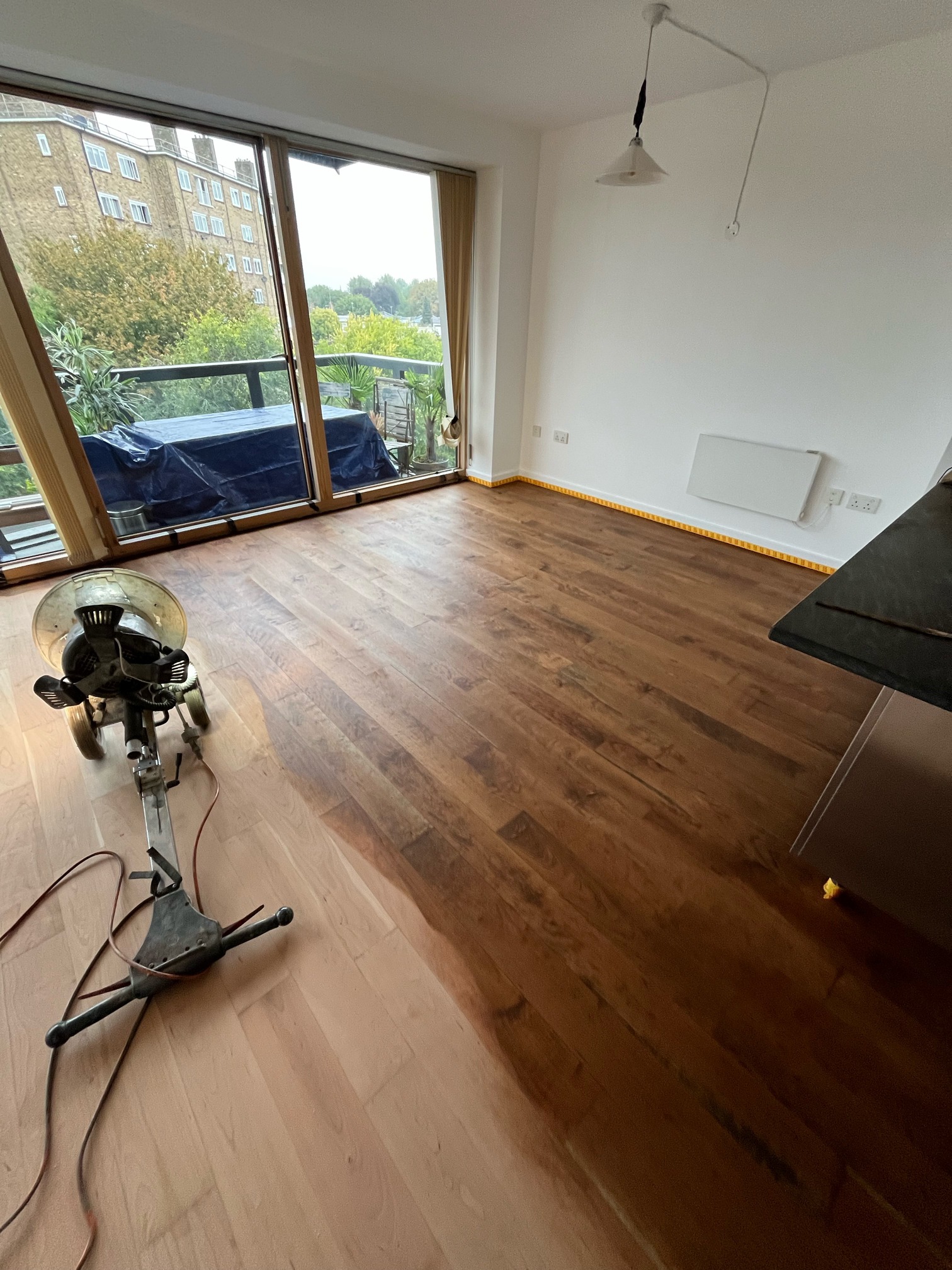
With the system agreed, we sanded the full 54 m² of solid hardwood back, removing the wear and marks that had built up over 25 years. This stage is what gives a refinish its foundation. A finish can only look as good as the surface beneath it.
Priming And Lacquering
We then primed the floor with the agreed two-component primer and finished it with the high-durability waterborne lacquer system. Pallmann’s own lacquer guide explains that the right lacquer depends on factors like traffic load and the condition of the floor, which is why we matched the system to how this home would be used.
Results
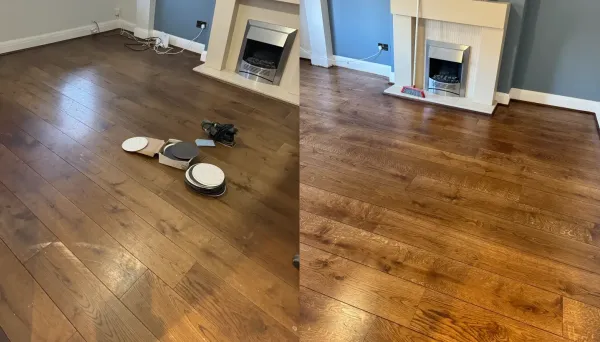
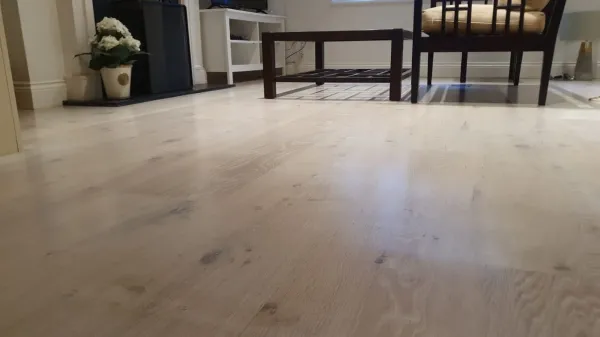
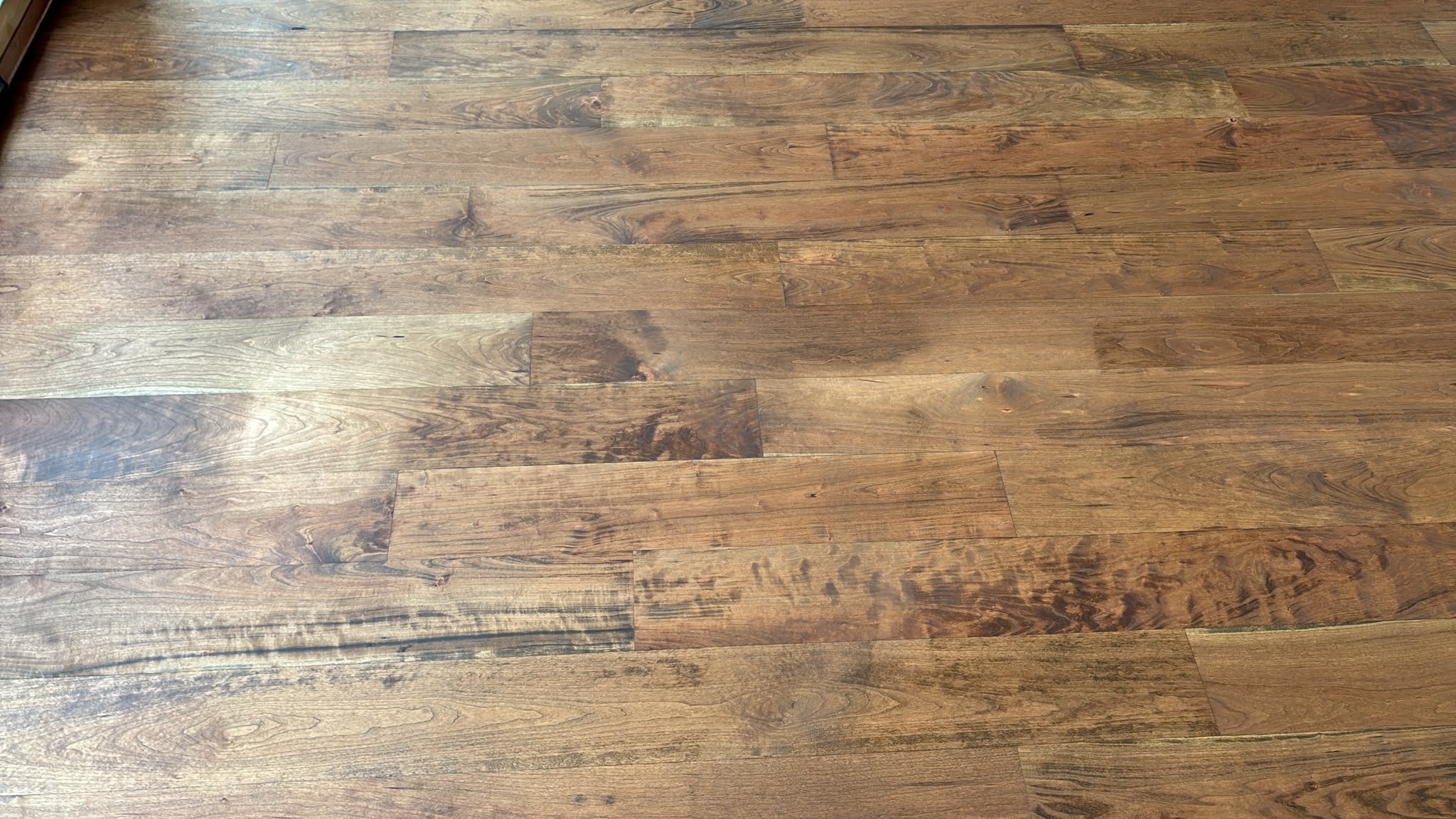
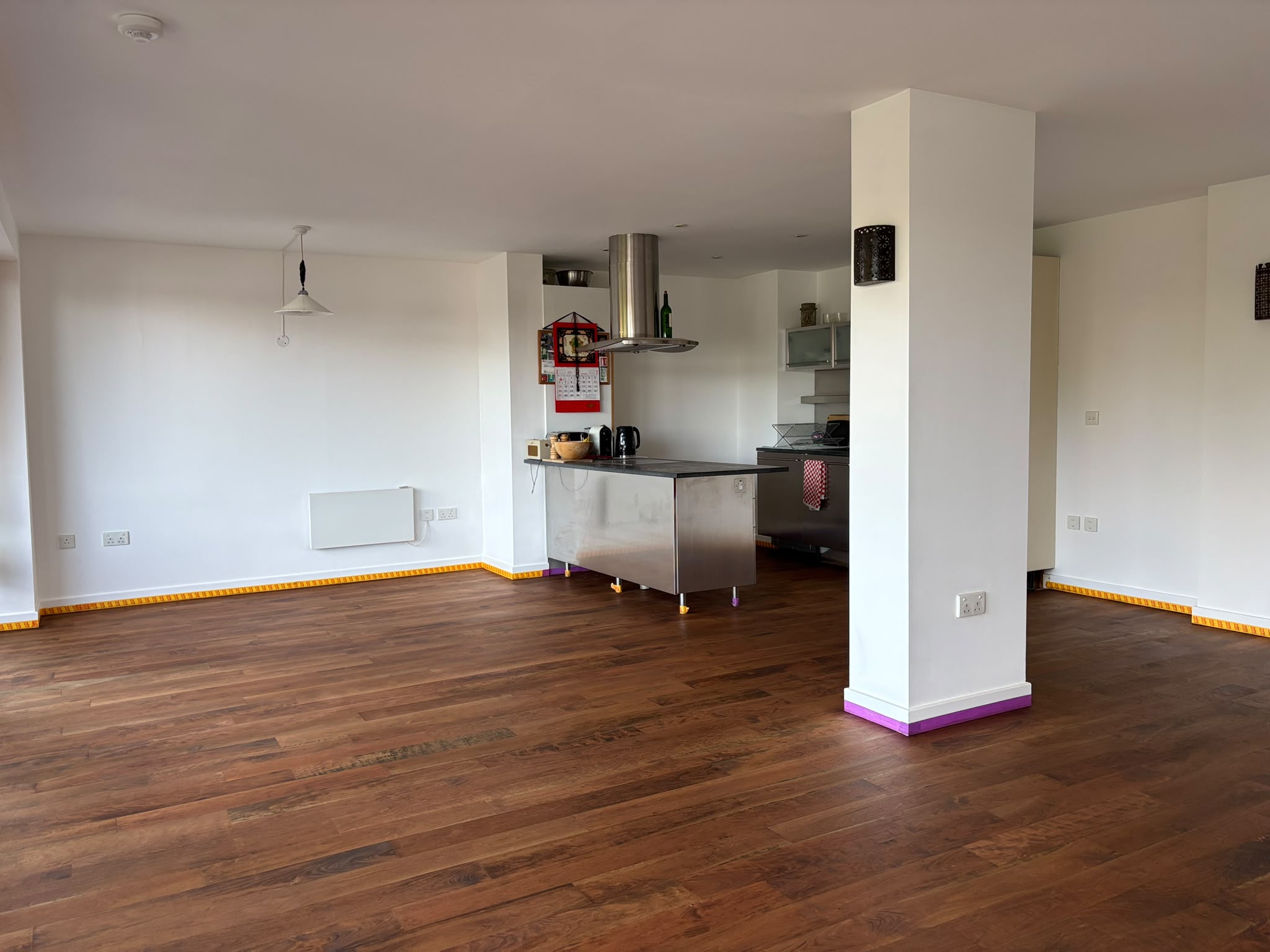
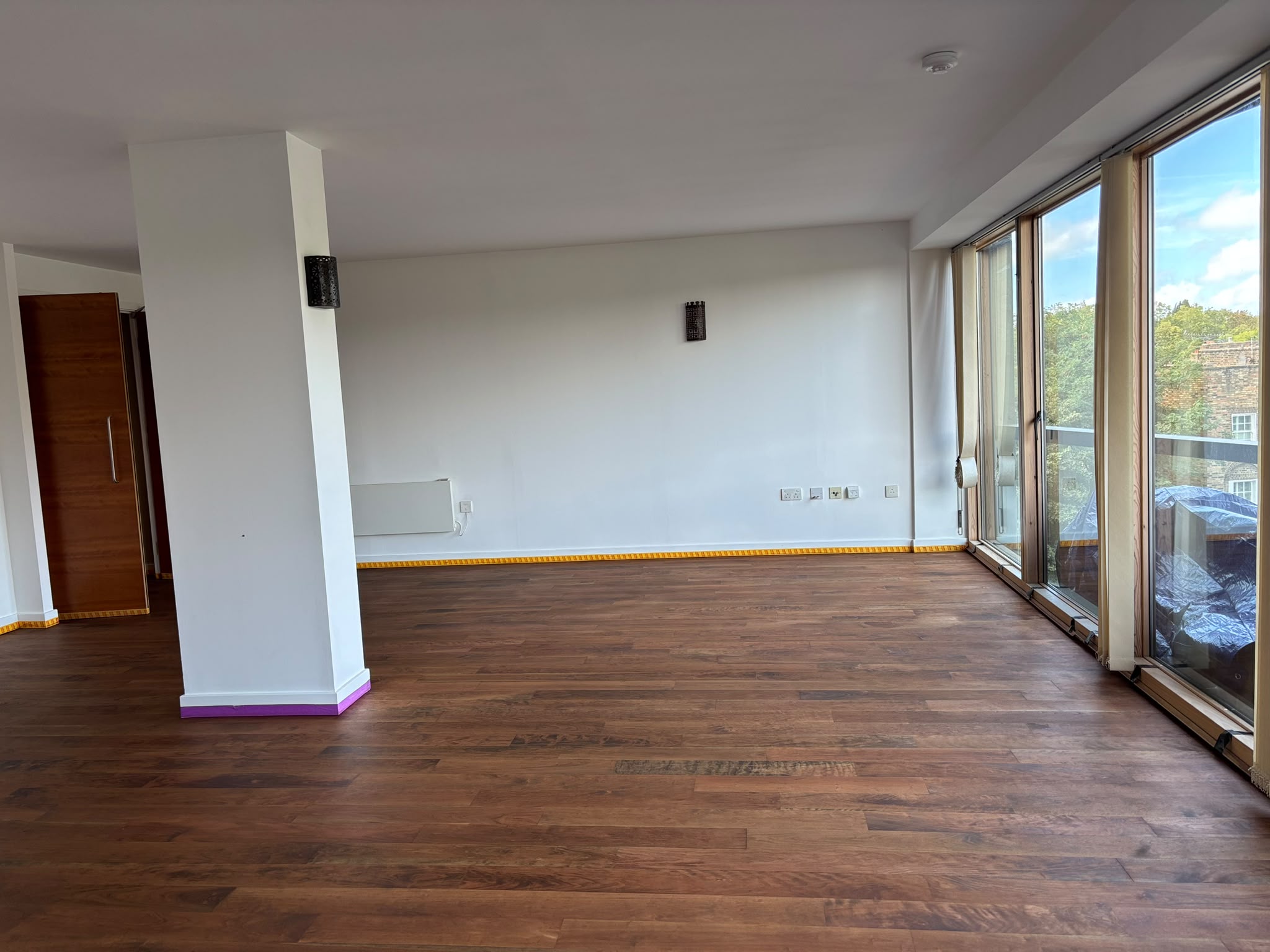
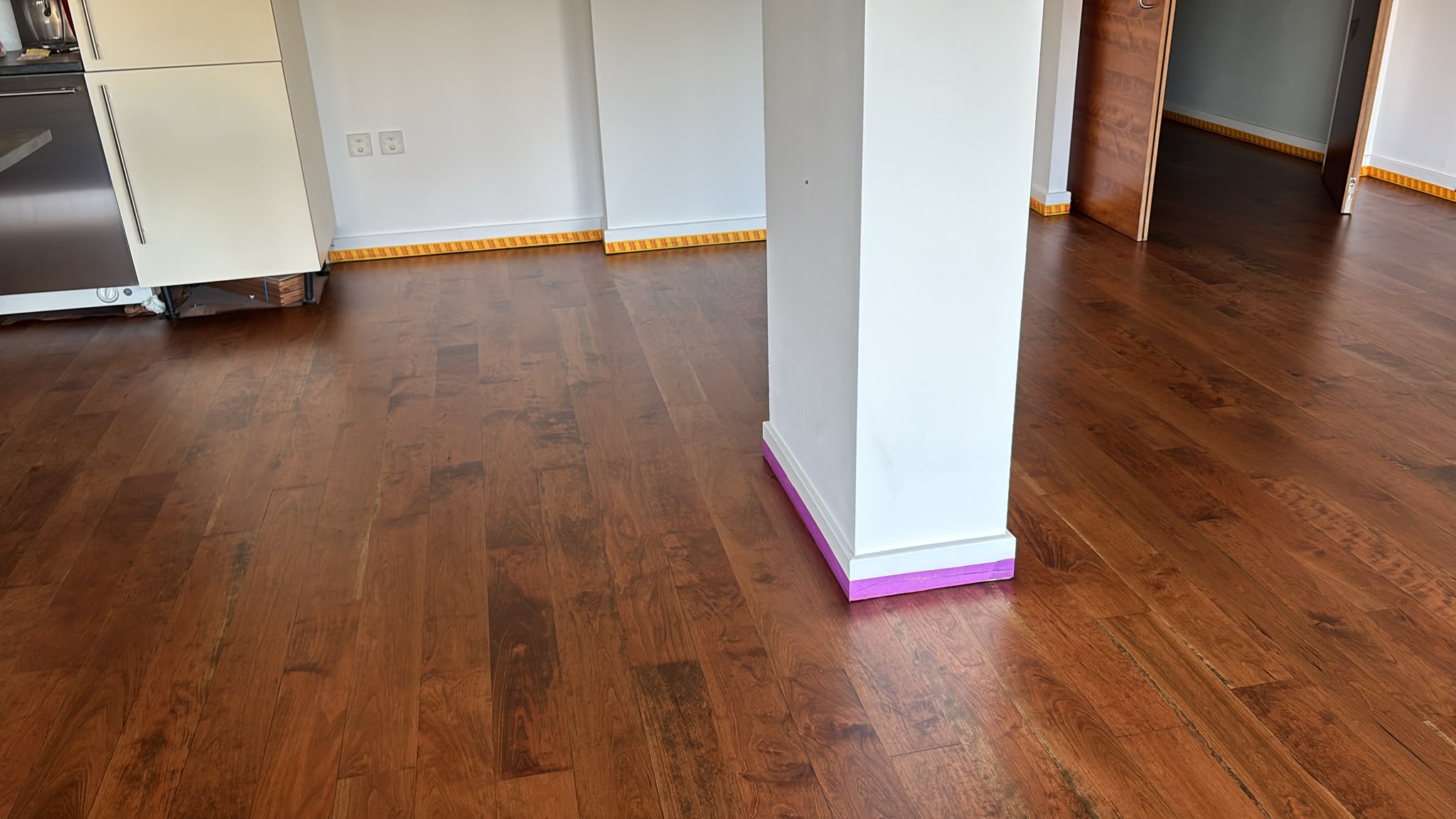
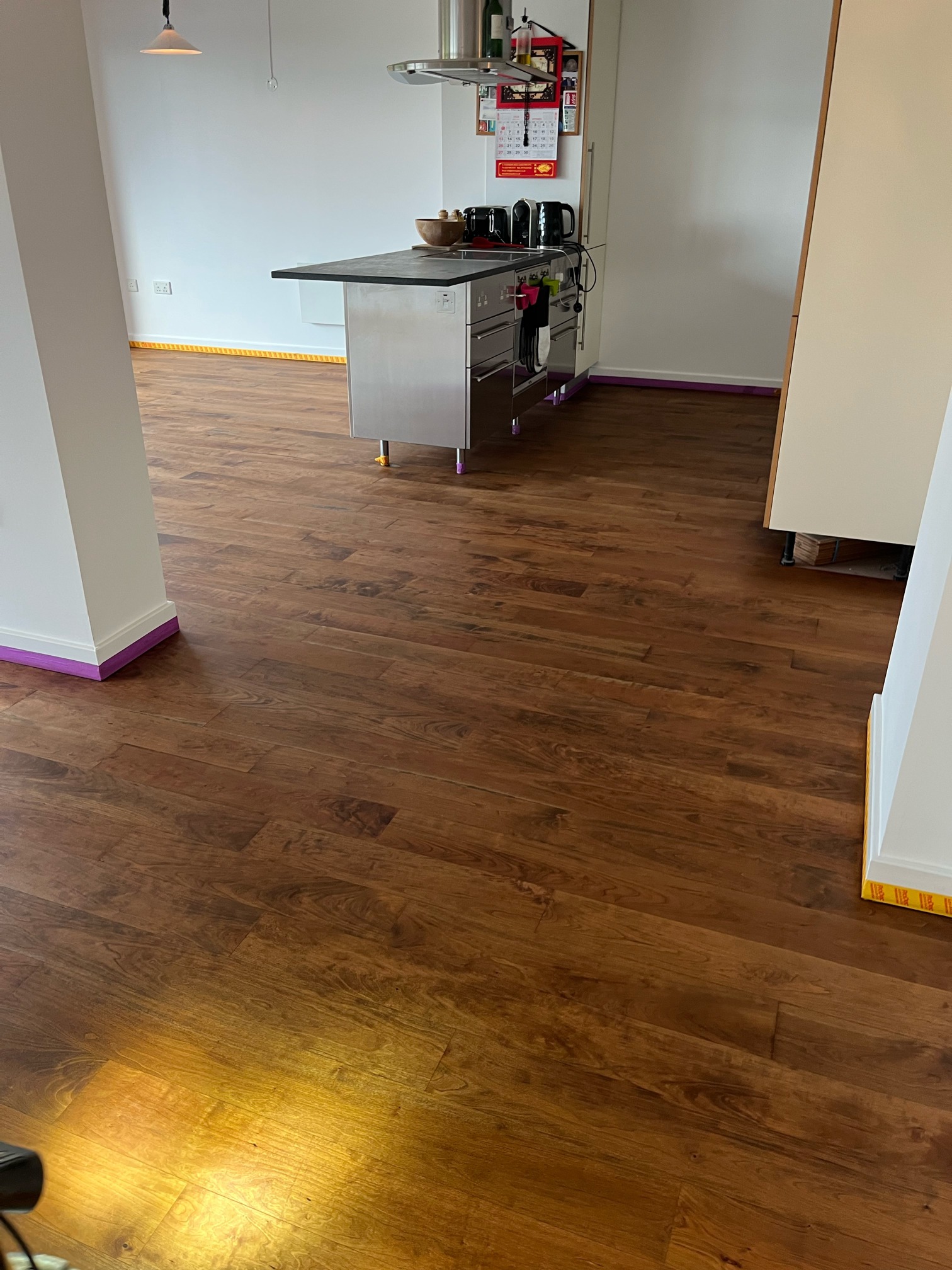
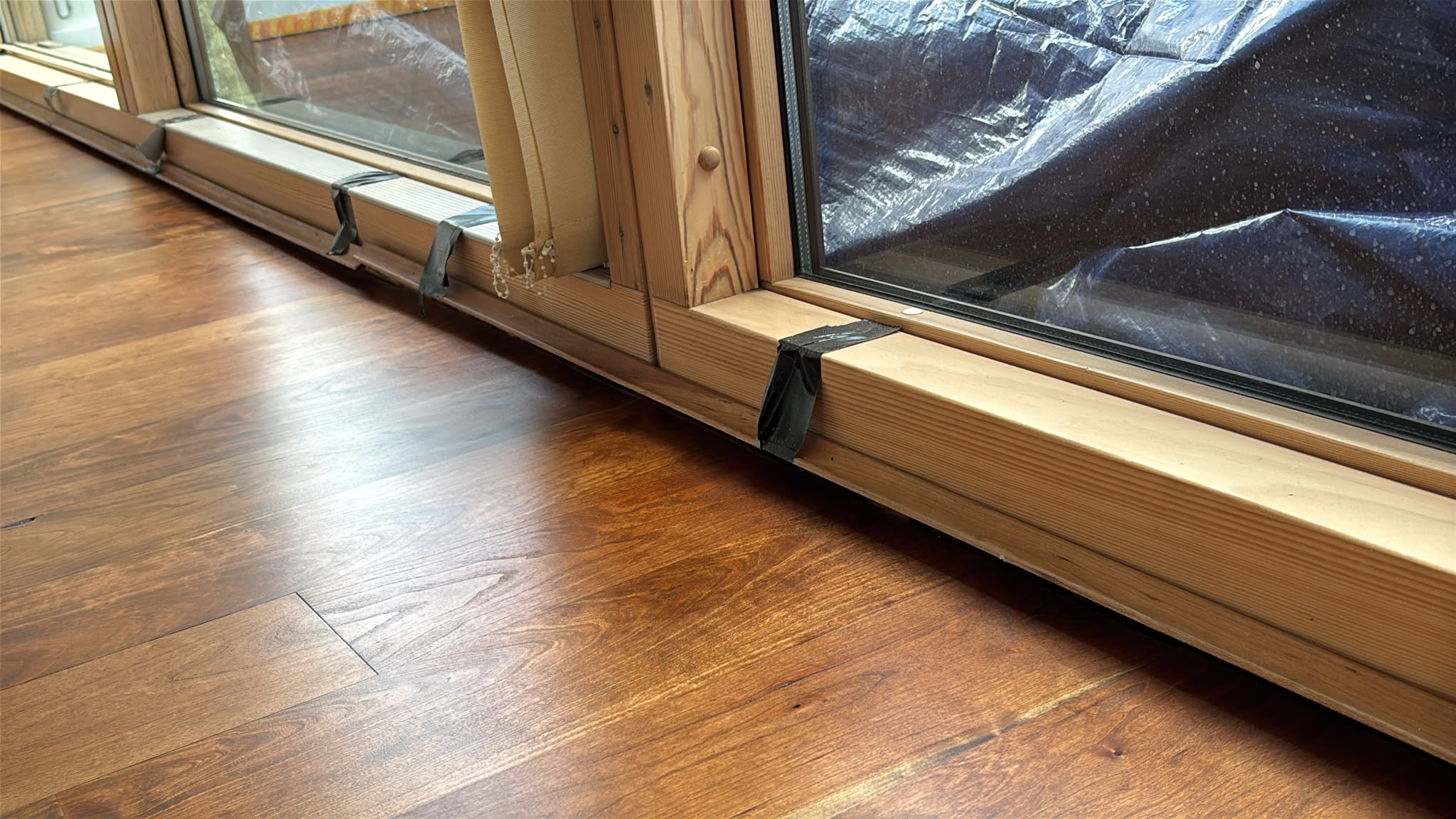
The floor that started the job was worn, marked and tired. The floor that finished it was refreshed and protected, with its natural warmth enhanced by the finish system we chose.
Most importantly, the client got what they asked for: a floor built for long service, in a tone that suits the rest of the room. For a similar north London example, see our oak floor sanding in Highbury.
Key Takeaways
If your hardwood floor looks tired, or just isn’t the tone you want, the best first step is a proper conversation. We will talk through your options, show you samples if colour matters, and give you honest advice and a practical plan.
Get in touch via our contact page and we’ll arrange a free, no-obligation quote.
This job came with three main challenges.
First, the tone. The client wanted a deeper, redder colour to suit existing joinery. We solved it with on-site sample areas, so the choice was made from real results.
Second, longevity. A floor that had already been through 25 years of wear needed a finish that would stand up to the next 25. We chose a two-component primer and a high-durability waterborne lacquer system for exactly that reason.
Third, choosing with confidence. It is hard to pick a finish from a description. Comparing Pall-X 333 and Allbase on the actual floor, and demonstrating the lacquer options, meant the client was never guessing.
The cost of sanding and lacquering a hardwood floor depends on the size of the floor, its condition, the timber, and the finish system you choose. In a job like this, the main drivers are the floor area, the preparation needed, and the quality of the primer and lacquer.
Choosing a high-durability system can mean a larger upfront investment, but it is designed to reduce how often a floor needs refinishing. For a free, no-obligation quote, call 020 3835 2294 or visit our contact page.
A full sand and refinish is done in stages: assessment, sample areas, sanding, priming, and lacquering. Each layer of primer and lacquer needs to be allowed to cure properly before the next, so a good job can’t be rushed. We give you a realistic timeline in your quote once we know the size and condition of your floor.
It is tempting to treat a tired floor as a quick job. But colour, durability and finish are all decisions that are hard to undo. Testing primers on the actual floor and matching the lacquer to how the home is used is what turns a refinish into a result that lasts.
Sweep or vacuum regularly, use a pH-neutral wood floor cleaner, and avoid excess water. Put felt pads under furniture, and wipe up spills quickly. Small habits protect the finish and extend the time before the next refinish.
Islington is full of homes where the floor is a defining feature, and where the woodwork around it matters as much as the boards themselves. That is why matching tone to existing joinery, as in this project, is such a common part of the brief.
Frequently Asked Questions
Often, yes. Solid hardwood is built to be sanded and refinished, so age alone isn’t a reason to replace it. We assess the condition first and recommend the right approach.
Primers and finishes can look different on different floors. On this job we compared Pall-X 333 and Allbase on-site so the client could see the real tone before committing.
Within limits, yes. How far the tone can shift depends on the timber and the system used, which is why we test sample areas first.
Waterborne lacquers are designed for it, and the right choice depends on traffic and the floor’s condition. For this job we used a high-durability system.
It depends on the floor size, condition and finish system. Call 020 3835 2294 for a free quote.
Contact us for more information.
Happy Customers
Read what our satisfied customers have to say
Efficiency
Effortless scheduling and premium results – we make it simple to book expert floor care that’s done on time, every time.
Satisfaction Guaranteed or Your Money Back
We complete projects on time, every time
We deliver exceptional quality for every project
Guaranteed satisfaction
At Silver Lining Floor Care, we prioritize your satisfaction above all else. Our team of experts is dedicated to providing unparalleled service that exceeds your expectations.

Always provide a courteous and professional service.

Start and finish on time as agreed with the customer.

Apply our expertise at all times.

To protect your property and leave it clean.

Offer a full follow up service should you need it.
Expertise
Craftsmanship, Care, and Trusted Service Since 2004
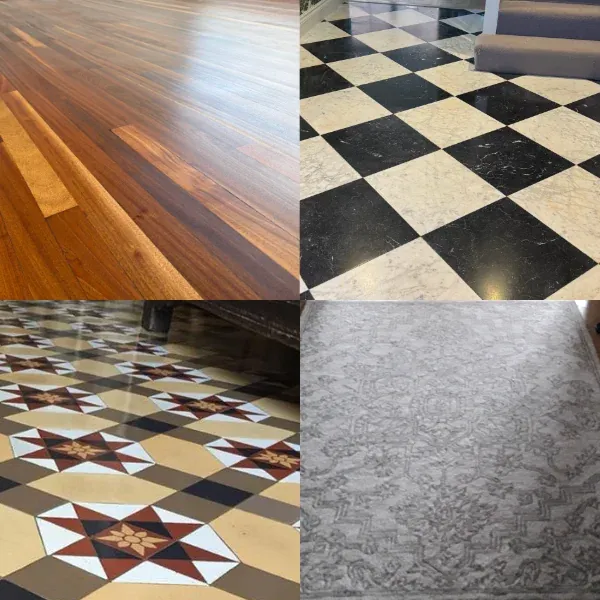
At Silver Lining Floor Care, we bring experience and precision to every surface we treat. Our comprehensive services are designed to restore, clean, and protect all types of flooring—helping you maintain lasting beauty, hygiene, and value. Whether it's natural stone, hardwood, or soft furnishings, we've got it covered:
Whether you need a full transformation or regular upkeep, we’re here to help. Explore all our services and see how we can bring your floors back to life.
Portfolio
At Silver Lining Floor Care, we take pride in our expert floor restoration services across London. Our portfolio showcases stunning transformations that highlight our commitment to quality and precision. Whether it’s restoring old floors or enhancing their beauty, our work reflects the highest standards in the industry.
Knowlege centre
Stay informed with our informative blog posts