

 info@silverliningfloorcare.co.uk



Learn how to safely clean natural stone floors without etching or staining. From daily care to what to avoid.
Read more
Published on 11 Jul 2025
Discover the essential guidelines for the daily maintenance of stone floors. Four typical errors that can cause them to deteriorate silently.
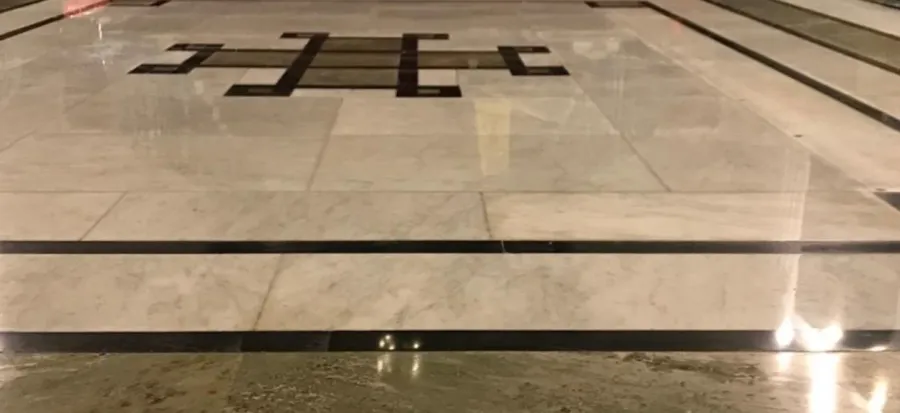
Natural stone surfaces like limestone, travertine, slate and marble bring timeless elegance to a home—but they’re not indestructible. These surfaces are porous, absorbent, and highly reactive to common household cleaners. In the wrong hands, they can stain, etch, or lose their seal in a matter of minutes.
Whether you’re caring for a hallway of polished marble or a rustic kitchen tiled with travertine, one rule holds true: gentle, pH-neutral maintenance is key. Avoiding damage is often less about what you do and more about what you don’t do.
These might seem like effective disinfectants, but they are among the most damaging substances for natural stone. Vinegar is acidic (low pH), and bleach is highly alkaline (high pH). Both can degrade sealers and etch the stone surface.
Steam can penetrate deep into porous stone, breaking down sealants and allowing moisture to seep into the surface. This can lead to discolouration, loosening tiles, or even microbial growth beneath the floor.
Soaking your floors might feel like a deep clean, but water left to pool can soak through stone’s pores, weakening its structure and causing clouding or dark patches. If your floor takes more than 5 minutes to dry, you’ve likely used too much water.
Tip: Use a slightly damp, flat mop and dry mop afterwards if needed.
Stone may feel hard and tough, but it’s surprisingly reactive. Products designed to “cut through grease” or dissolve limescale are often far too aggressive.
If you’re wondering what is the best thing to clean stone with? The answer is reassuringly simple.
Even the best-maintained stone floors need professional cleaning or resealing over time.
🔗 Explore our stone cleaning and restoration services in London
Whether you’re caring for honed limestone in your hallway or keeping a polished marble bathroom sparkling, the right routine makes all the difference.
If you’re unsure whether your stone is sealed, how to remove a specific stain, or simply want to check you’re doing things right, we’re here to help.
Let’s talk it through — no pressure.
Frequently Asked Questions About Stone Cleaning
No — white vinegar is highly acidic and will etch and dull the surface of natural stone. It may also degrade any protective sealant.
No. Bleach is highly alkaline and can strip away the sealer, leaving your stone vulnerable to staining and discolouration.
Steam is not recommended. It can penetrate the stone, weaken the sealer, and introduce moisture that leads to damage beneath the surface.
If your floor takes more than 5 minutes to dry, you’ve used too much water. Excess moisture can soak into the stone and cause cloudiness, dark patches, or mould.
Always use a pH-neutral stone cleaner that specifically states it’s safe for sealed natural stone. Avoid anything acidic or alkaline.
Use a neutral pH degreasing cleaner recommended for stone. Never use general-purpose kitchen sprays, as they can damage the finish.
Limescale removers are too harsh. Instead, gently scrub with a pH-neutral cleaner and consult a specialist for deeper mineral deposits.
Baking soda is mildly abrasive and can scratch polished stone surfaces. It’s not recommended for routine cleaning.
This depends on the type of stone, foot traffic, and whether it is sealed. On average, sealing is recommended every 1–2 years in domestic settings, depending on the sealer. Read more on our stone sealing blog.
You can use a pressure washer, but caution is key. Keep the pressure low to avoid damaging the grout or disturbing the surface texture. After cleaning, allow the stone to dry completely before resealing. This helps protect the surface and prolong its life.
Avoid sealing in direct sunlight or during heat waves. The surface temperature should not exceed 25°C when applying sealant, as this can compromise adhesion and curing.
Absolutely not. These products are highly caustic and will cause permanent damage to the stone surface and any existing seal.
Contact us for more information.