

 info@silverliningfloorcare.co.uk



Learn how to safely clean natural stone floors without etching or staining. From daily care to what to avoid.
Read more
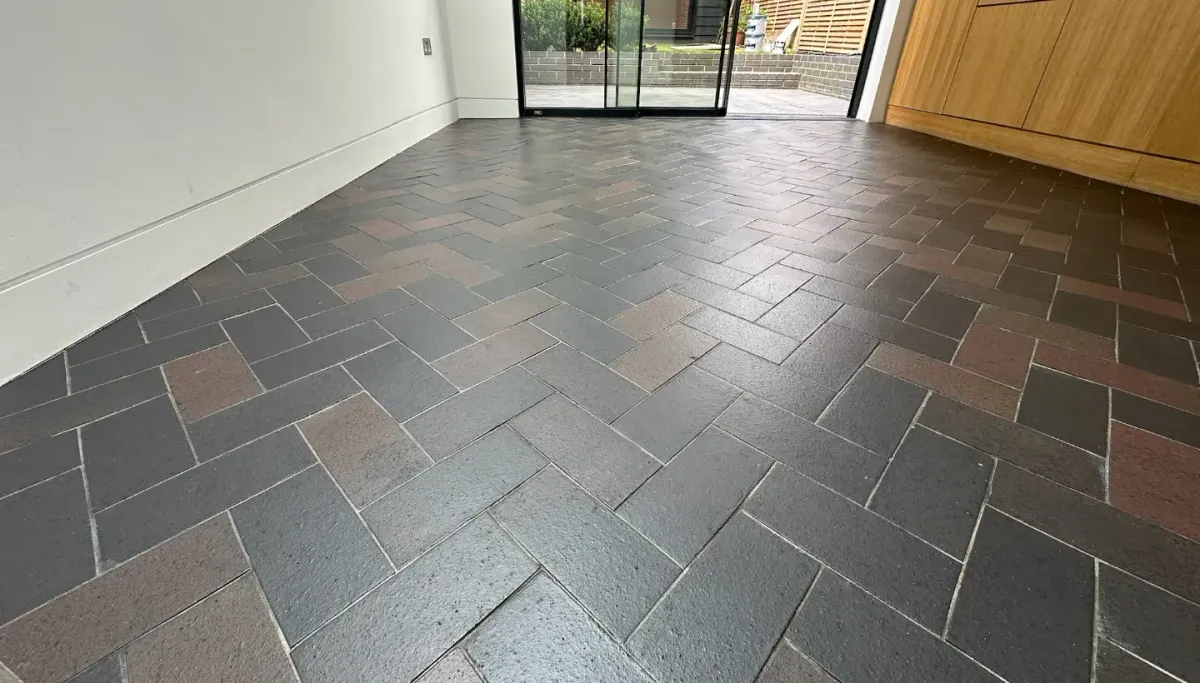
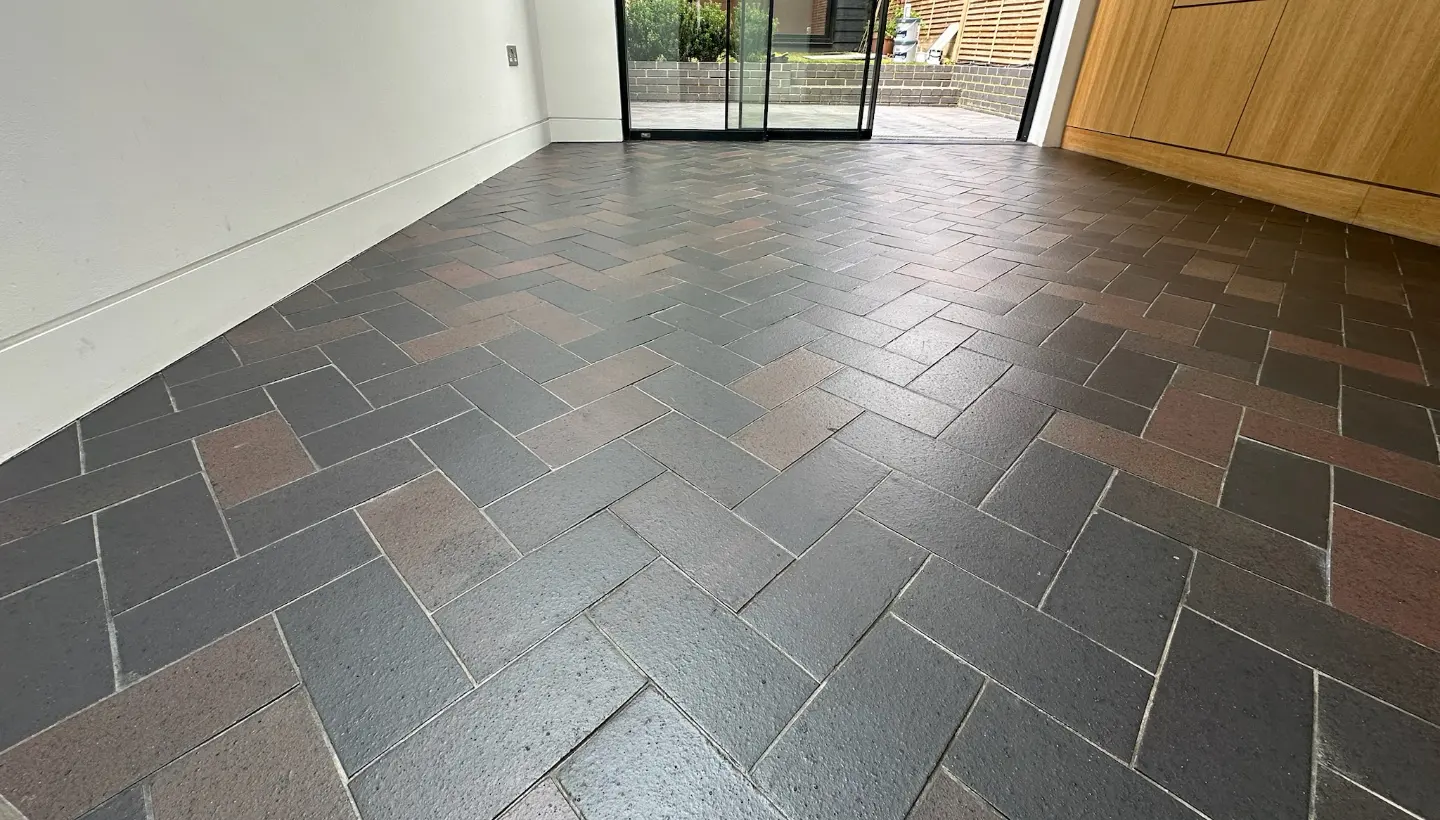
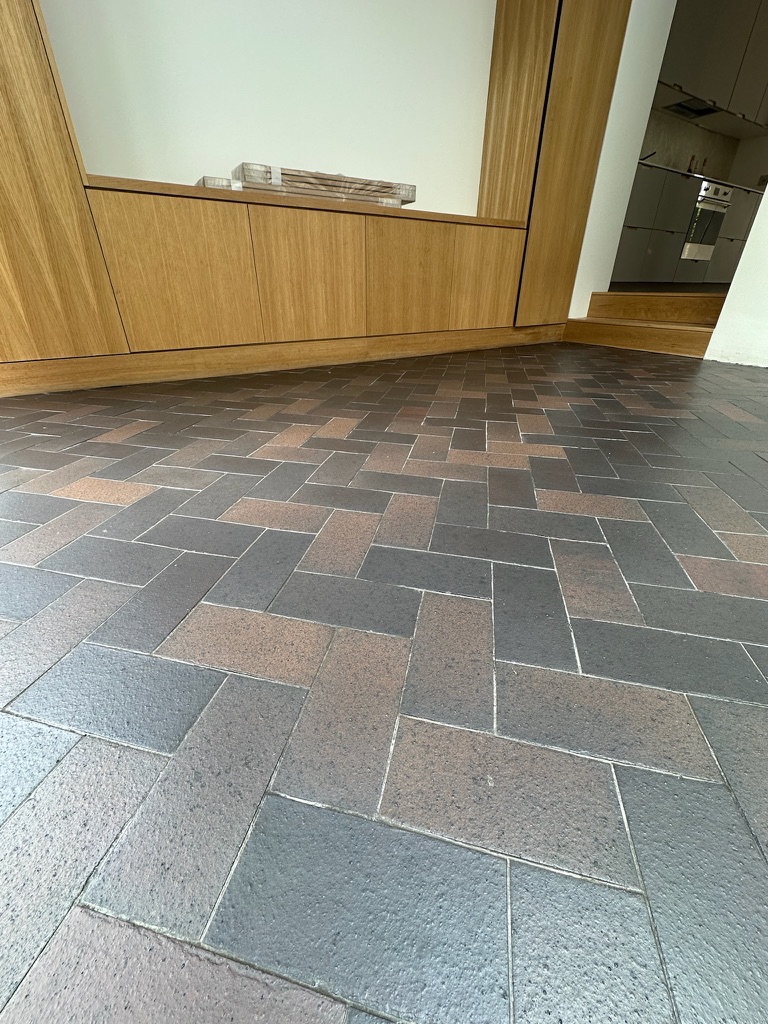
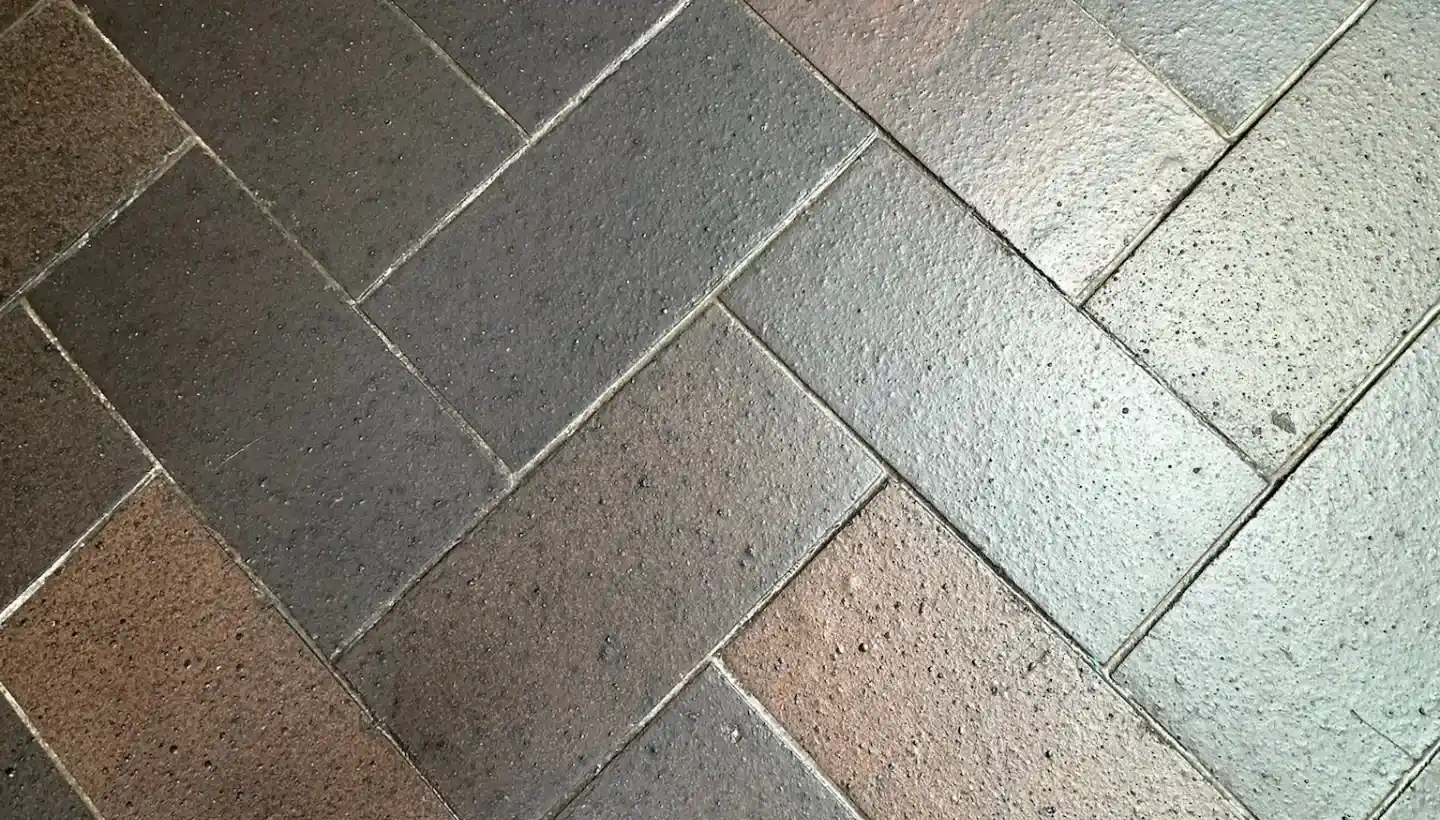
We were asked to restore a blue brick ceramic floor in a Kentish Town home extension after building work left the surface sticky, patchy and difficult to maintain. Construction residue, grout haze and a failed coating had dulled the finish and made everyday cleaning frustrating. The floor itself was a strong design feature. The blue brick ceramic tiles had the character of traditional industrial paving, laid in a neat herringbone pattern that suited the extension well. The problem was not the tile choice. It was the condition the floor had been left in after construction. After reviewing the floor condition, measurements and photos, we recommended a professional deep clean, residue removal process and PU sealing system using Dr. Schutz PU Sealer 2K. The aim was to remove the contamination properly, restore a more even satin finish, and leave the floor easier to maintain long term.
What Is a Blue Brick Ceramic Floor?
Blue brick ceramic tiles are inspired by Victorian and industrial paving, but they are not made from traditional brick. They are dense kiln-fired ceramic tiles designed to achieve the look of blue engineering brick in a more refined internal setting.
These floors are often used in:
Ceramic tile floors are popular because they are durable, moisture resistant and practical for busy homes. However, textured surfaces and cement-based grout can still trap fine dust, residue and grime after building work.
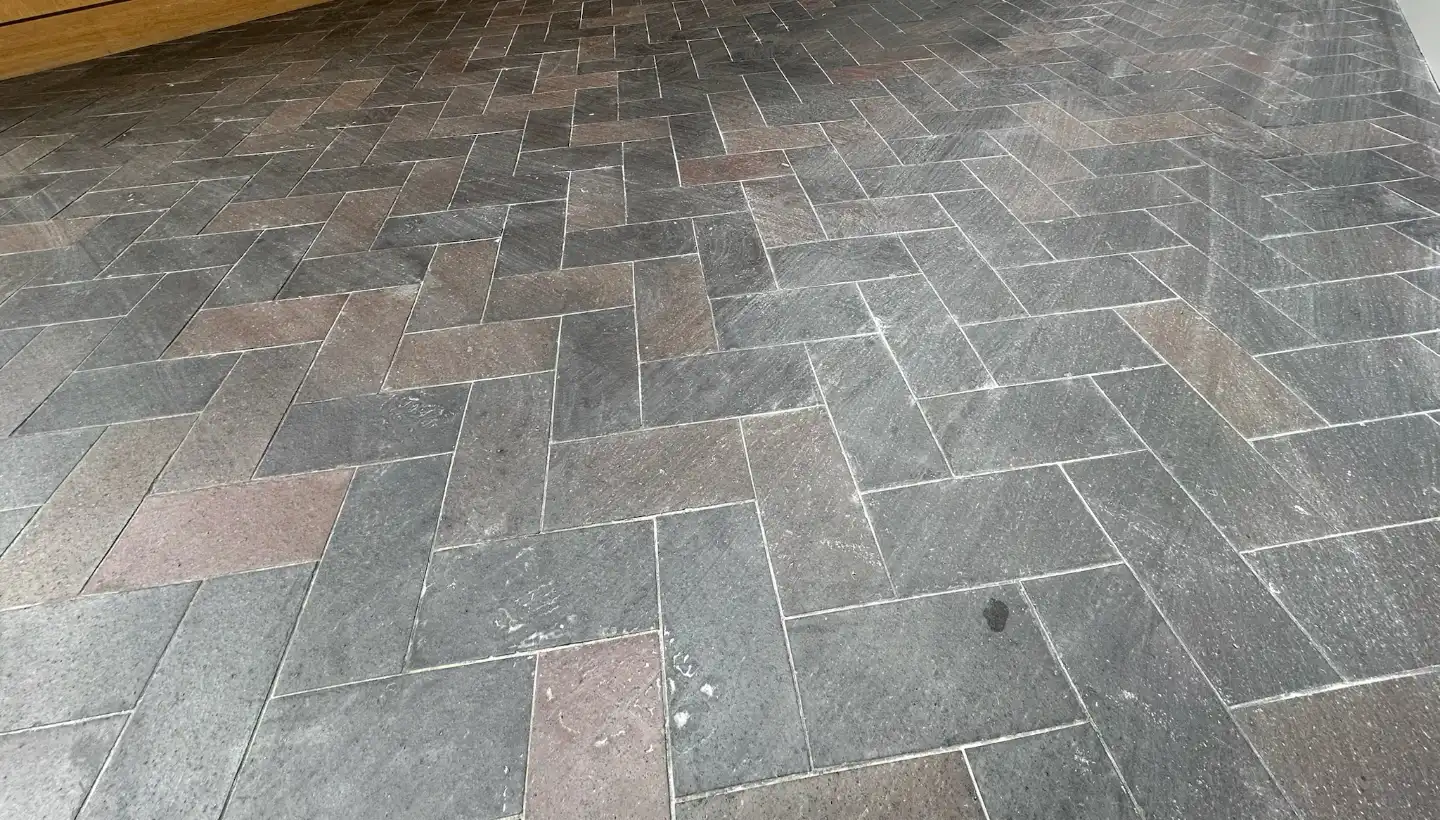
On this Kentish Town project, the tile surface was holding onto construction contamination and sticky residue left behind after installation and general builders’ cleaning. Standard mopping was no longer enough to clean the floor properly.
You can learn more about our professional ceramic floor cleaning services.
According to Topps Tiles, textured tile surfaces and grout lines can retain dirt more easily if the floor is not maintained with suitable cleaning products and sealing systems.
The Problems With Post-Construction Ceramic Floors
The main issue with this floor was a tacky residue across the tile surface. This often happens when unsuitable detergents, diluted sealers or soap-heavy floor cleaners are used during or after construction.
At first glance, the floor simply looked dirty. The problem became more obvious once the client explained that repeated mopping still left footprints, smears and sticky patches.
In situations like this, the issue is usually surface contamination rather than a lack of cleaning effort. Once residue starts building up on textured ceramic tile floors, ordinary cleaning products often make the problem worse.
The floor also showed visible grout haze, paint marks and trapped construction dust around the grout lines and textured surface.
Cement-based grout is porous by nature. Fine dust and dirty water can settle into those areas quickly during building work, especially in newly finished extensions where multiple trades are still moving through the property.
Because of that, ceramic floor cleaning after construction normally needs more than a basic floor cleaner and mop. The residue has to be properly broken down and extracted before sealing can take place.
It is understandable that homeowners try stronger cleaning products when a tile floor still looks dirty after repeated washing.
The difficulty is that harsh detergents, bleach, acidic cleaning agents and unsuitable multi-surface cleaners can leave additional residue behind or affect the grout and finish.
On textured tile floors, dirty water can also settle back into the surface if the floor is not properly extracted and rinsed.
The safer approach is to identify exactly what is sitting on the floor before choosing the cleaning method.
You may also read this article about guidance on tile and grout maintenance.
The Tile Council of North America also explains why grout and textured tile surfaces require appropriate cleaning and sealing methods to reduce staining and simplify maintenance.
Initial Inspection and Client Consultation
Natalie contacted Silver Lining Floor Care after previous cleaning attempts failed to improve the condition of the floor.
We reviewed the site photographs and measurements before recommending a staged cleaning and PU sealing process suited to the contamination present on the tiles.
The recommended scope included:
A same-day quote was provided together with a clear explanation of the process and likely result.
This stage matters because different surfaces require different approaches. Ceramic tile, porcelain tile, natural stone and Victorian tile floors can react very differently to cleaning chemistry and sealing systems.
In this case, the floor needed proper residue removal before any protective coating could be applied successfully.
Deep Cleaning and Surface Preparation Process
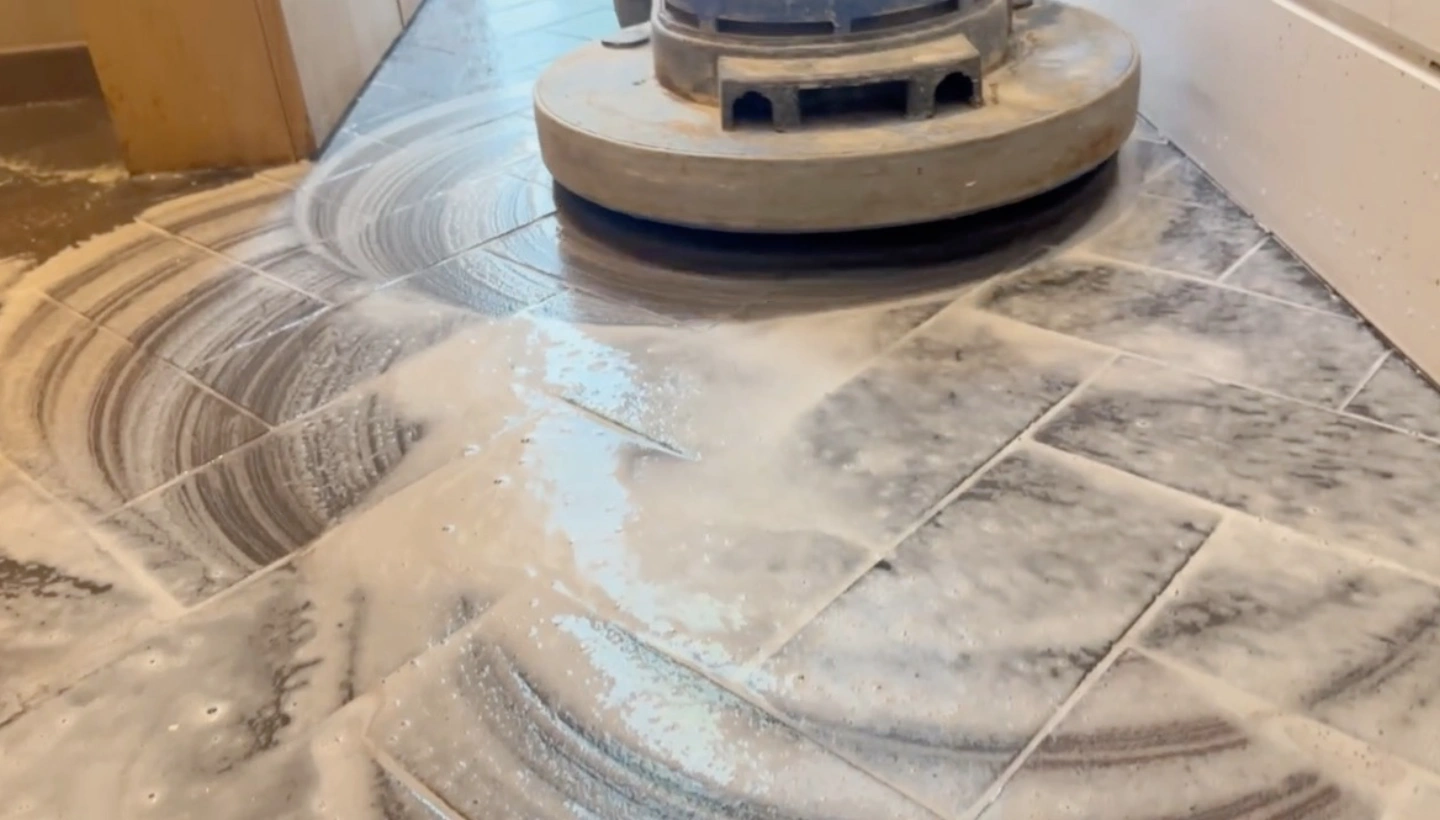
The first stage was to break down and remove the sticky surface contamination left behind after construction and previous cleaning attempts.
This involved a controlled stripping process designed to lift residue safely from the tile surface without damaging the ceramic finish.
Preparation is critical before sealing. If detergent, dirty water, grease or old coating residue remains on the floor, the new finish may not bond correctly.
Once the residue had been loosened, the tiles and grout lines were deep cleaned using professional agitation and extraction methods.
This stage removed:
Machine cleaning and extraction also helped remove dirty water from the floor rather than redistributing it around the surface.
Before sealing could begin, the floor was thoroughly rinsed, neutralised and left to dry fully.
This is one of the most important stages of ceramic floor cleaning and sealing.
If cleaning chemistry remains beneath a coating, it can lead to adhesion problems, cloudiness or future sticky patches.
Dr. Schutz also advises using compatible maintenance and cleaning systems for PU sealed floors to protect long-term performance.
Applying the PU Sealer
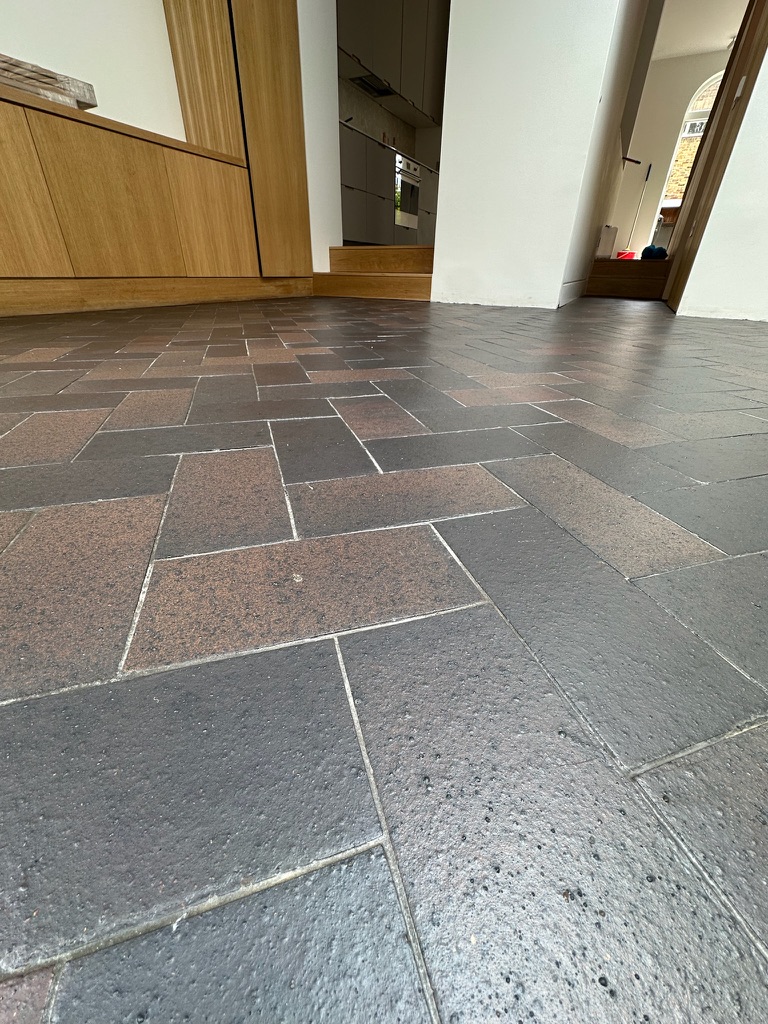
For this Kentish Town project, we recommended Dr. Schutz PU Sealer 2K because the client wanted a durable satin finish that would improve day-to-day maintenance.
The aim was not to create a glossy coating. The goal was to provide a more even protective surface that reduced dirt retention within the tile texture and grout lines.
PU sealing can work particularly well on textured ceramic and porcelain tile floors where regular cleaning alone is no longer keeping the floor visually consistent.
When suitable for the floor type, professional sealing can help:
The quality of the preparation stage is what determines whether the finish performs properly over time.
You can also read about a similar textured tile project completed in Hampstead.
The Final Result
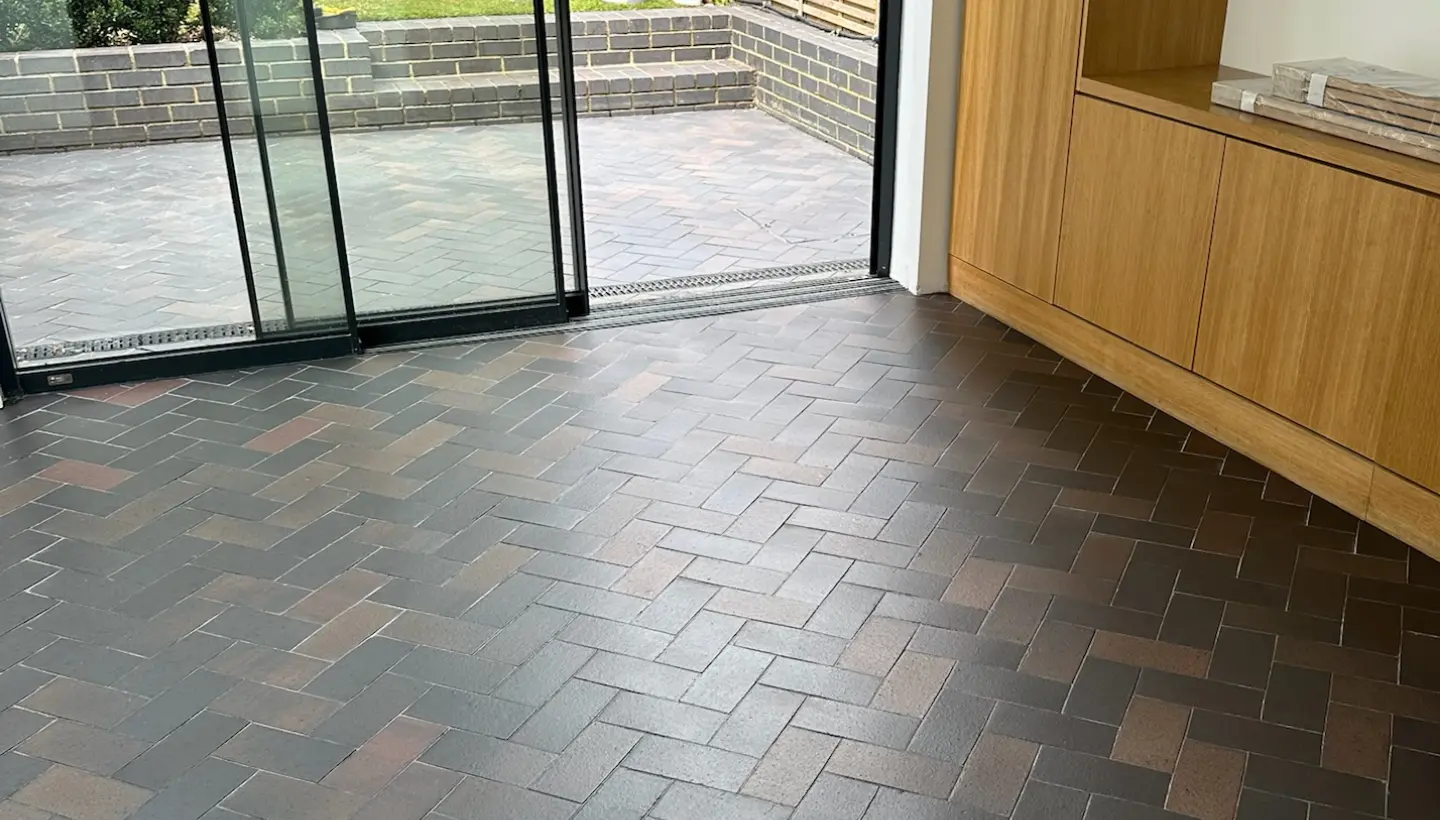
After cleaning and sealing, the floor had a far more even satin appearance. The sticky residue, grout haze and construction contamination had been removed, allowing the blue brick ceramic tiles to regain depth and clarity.
The improvement was practical as well as visual.
The floor was now:
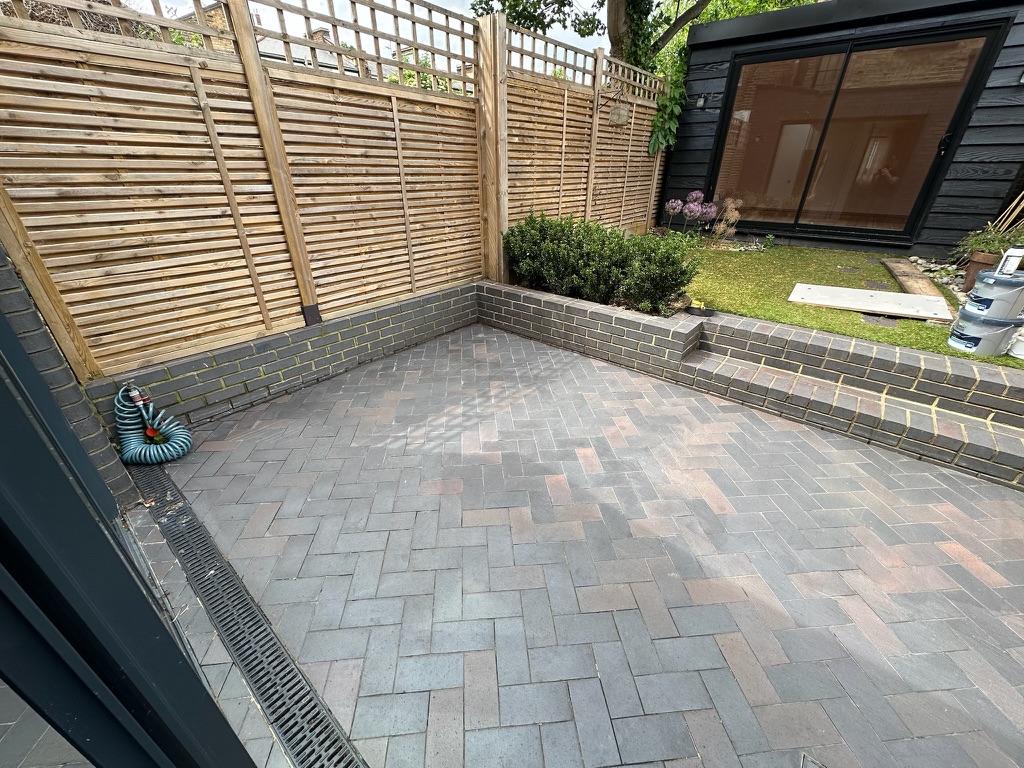
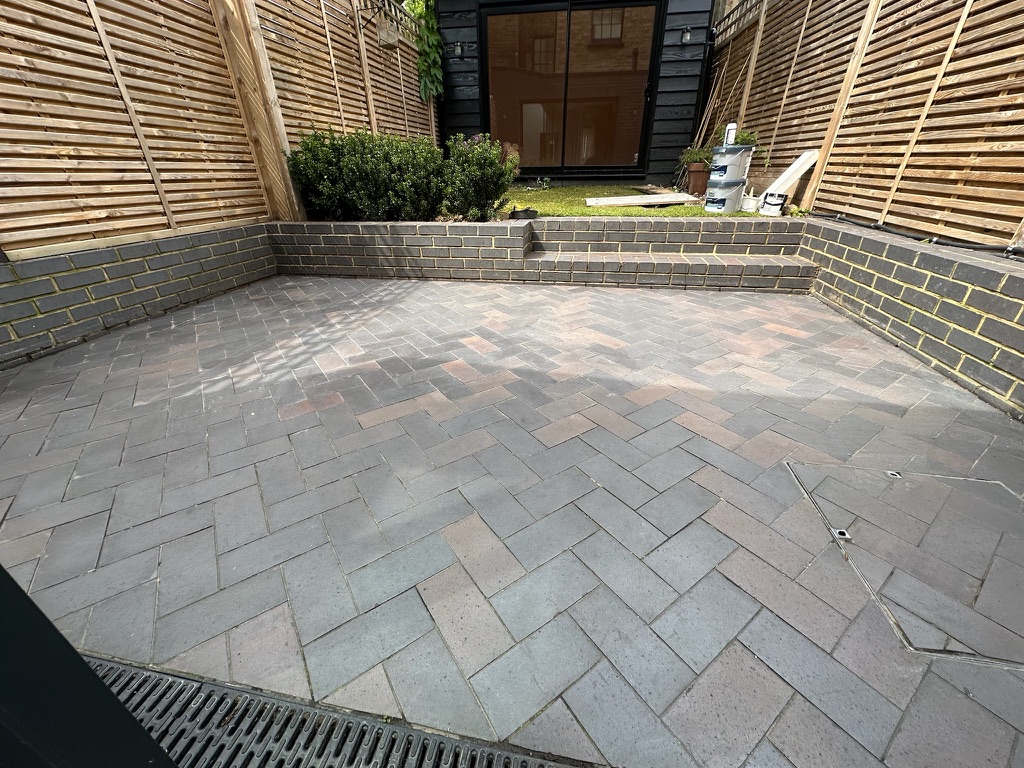
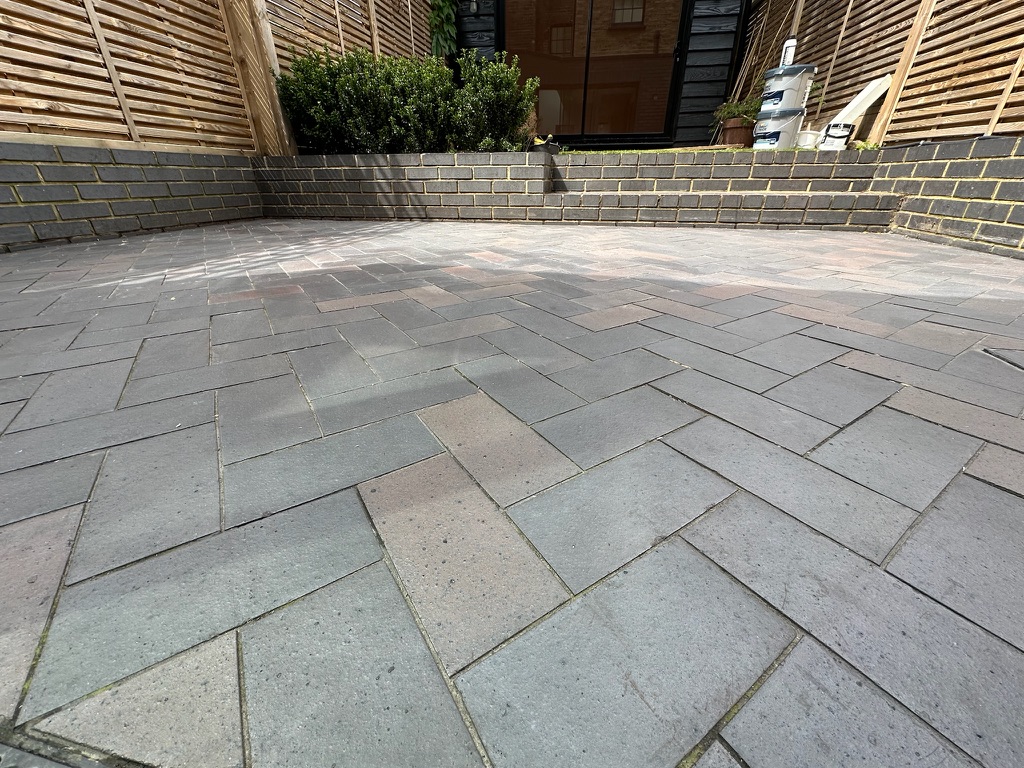
As a goodwill extra, we also cleaned and treated the small garden patio area finished in the same tile.
Natalie later left this review:
“Silver Lining Floor Care did a wonderful job stripping, cleaning, and PU sealing our blue brick floors. Johnny was wonderfully helpful explaining everything beforehand and what our options were. Dean and the team were friendly, efficient, and went above and beyond. I would highly recommend Silver Lining Floor Care for any of your flooring needs!”
That combination of clear communication, careful preparation and practical long-term improvement is what mattered most on this project.
Need Help with a Sticky or Difficult-to-Clean Ceramic Floor?
If your ceramic floor still looks patchy, sticky or difficult to clean after construction work, send us a few photos and a short description of the issue.
We can explain whether the floor needs residue removal, deep cleaning, sealing, or a lighter maintenance approach before the problem becomes harder to manage.
Ceramic tiles are durable, but the wrong cleaning methods can still create problems.
Soap-heavy detergents, acidic cleaning products, bleach and abrasive pads can leave residue behind, affect grout condition or create a patchy finish.
Professional ceramic floor cleaning starts with understanding the condition of the floor itself:
In this Kentish Town project, the biggest improvement came from removing the failed residue properly before applying a protective finish suited to the floor.
Silver Lining Floor Care provides ceramic floor cleaning, tile cleaning and hard floor sealing services across London, including:
If your ceramic tile floor still feels sticky, dull or difficult to maintain after building work, we can assess the condition of the floor and recommend the most suitable next step.
A sealed ceramic floor is usually much easier to maintain, but the right products still matter.
Do
Don’t
Maintenance Schedule
For most homes, regular vacuuming and damp mopping are enough for day-to-day care.
Depending on traffic and wear, some PU sealed floors may eventually require maintenance or reapplication after several years of use.
Silver Lining Floor Care also provides specialist maintenance advice for sealed hard floors and textured tile surfaces.
Cleaning and Sealing Blue Brick Ceramic Tiles
Some ceramic floors do not require sealing, but textured surfaces and porous grout lines can benefit from additional protection depending on how the floor is used.
Sticky residue is commonly caused by unsuitable detergents, failed coatings, diluted sealers or construction contamination left on the tile surface.
PU sealing can last for several years depending on traffic levels, cleaning habits and how well the floor is maintained.
They can become difficult to clean if residue builds up within the textured surface. Once professionally cleaned and sealed, they are usually much easier to maintain.
Avoid bleach, abrasive pads, acidic cleaners and soap-heavy detergents that may damage the finish or leave residue behind.
Contact us for more information.
Happy Customers
Read what our satisfied customers have to say
Efficiency
Effortless scheduling and premium results – we make it simple to book expert floor care that’s done on time, every time.
Satisfaction Guaranteed or Your Money Back
We complete projects on time, every time
We deliver exceptional quality for every project
Guaranteed satisfaction
At Silver Lining Floor Care, we prioritize your satisfaction above all else. Our team of experts is dedicated to providing unparalleled service that exceeds your expectations.

Always provide a courteous and professional service.

Start and finish on time as agreed with the customer.

Apply our expertise at all times.

To protect your property and leave it clean.

Offer a full follow up service should you need it.
Expertise
Craftsmanship, Care, and Trusted Service Since 2004
At Silver Lining Floor Care, we bring experience and precision to every surface we treat. Our comprehensive services are designed to restore, clean, and protect all types of flooring—helping you maintain lasting beauty, hygiene, and value. Whether it's natural stone, hardwood, or soft furnishings, we've got it covered:
Whether you need a full transformation or regular upkeep, we’re here to help. Explore all our services and see how we can bring your floors back to life.
Portfolio
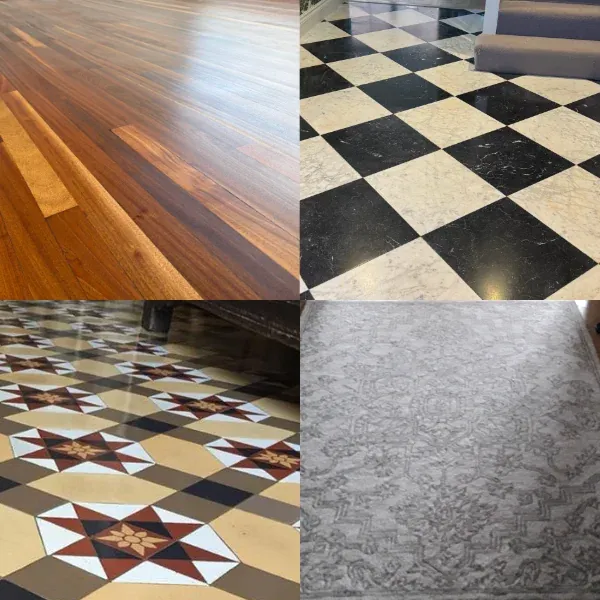
At Silver Lining Floor Care, we take pride in our expert floor restoration services across London. Our portfolio showcases stunning transformations that highlight our commitment to quality and precision. Whether it’s restoring old floors or enhancing their beauty, our work reflects the highest standards in the industry.
Knowlege centre
Stay informed with our informative blog posts