


 info@silverliningfloorcare.co.uk



Learn how to safely clean natural stone floors without etching or staining. From daily care to what to avoid.
Read more
Published on 02 Mar 2026
By Johnny Czarnota, Founder of Silver Lining Floor Care
There is something deeply grounding about a stone floor.
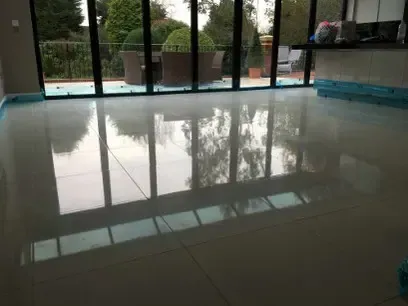
It carries weight. History. Presence. Whether it’s marble in a hallway, granite in a kitchen, or rustic flagstone in a sunroom, natural stone brings both beauty and durability into a home. But over time, even the most stunning tiled floors can lose their gloss.
Since 2004 I have been restoring that lost sparkle. And if there’s one thing I’ve learned, it’s this: shine is not about slapping on more product. It’s about understanding the floor beneath your feet.
Let’s walk through it step-by-step.
Not all stone floors are created equal.
The type of stone matters more than most people realize. Marble or limestone, for example, are calciferous stones. That means they are softer and more porous. Granite is denser and more forgiving. Travertine sits somewhere in between.
Different stones react differently to cleaning products. I once visited a homeowner who had been using a strong bathroom cleaner on her marble tile floor. She thought she was doing the right thing. Instead, the acidic solution dulled the surface and caused damage.
She looked at me and said, “I just wanted it to sparkle.”
That’s the thing. Like vinegar, many common products are too harsh for natural stone. If you have marble in particular, understanding how to clean marble safely makes all the difference. Marble does not forgive shortcuts.
Before you polish stone floors, identify your range of stone. If you’re unsure, treat it as if it were marble. That cautious mindset will prevent damage every time.
Polishing begins with cleaning. Always.
Dust and dirt act like sandpaper. Under daily foot traffic, they scratch the surface and slowly remove the smooth finish that gives your stone floor its sheen.
Use a microfibre mop or a soft cloth to remove debris. Avoid anything abrasive. No stiff brushes. No aggressive scrub pads.
For deeper cleaning, use a ph-neutral floor cleaner designed for stone surfaces. The right formula has been developed to clean without stripping protection. Brands like HG and Lithofin offer reliable options.
If you’re unsure where to begin, I’ve written more about how to clean stone floors properly, because without that foundation, polish won’t hold.
When cleaning natural stone tiles, less is more. Too much cleaner leaves residue. Residue kills gloss.
Rinse with clean water. Dry with a clean cloth. Simple habits restore more lustre than most people expect.
A stain must be addressed before polishing.
Trying to polish over a stain is like painting over a crack in the wall. It hides nothing.
Stone is porous. Especially marble, limestone, and travertine. Spills immediately wiped with a damp cloth can prevent long-term marks. But when oil, wine, or food sits too long, deep cleaning may be required.
For small areas, a poultice can sometimes lift the stain. Always test first.
I once restored a kitchen floor where cooking oil had soaked into grout and stone tile for months. The homeowner had tried multiple cleaning products. None worked. What it needed was patience and the right products.
Stone rewards consistency. Not force.
Choosing the right floor polish depends entirely on the type of stone and the finish you want.
Some homeowners prefer a high gloss finish. Others prefer a softer sheen or even a subtle wet look.
Be cautious here. True stone floor polish should enhance gloss without leaving heavy buildup. It should shine and protect, not coat the surface unnaturally.
For small areas, you can apply stone polish using a soft cloth in circular motions. Take your time. Let the product work.
For larger areas, a floor polisher machine can help create an even finish. But use the correct pad. An abrasive pad can cause damage in minutes.
Remember: polish enhances what’s already there. It does not fix deep scratches or etched marble or limestone.
A sealer and a polish are not the same thing.
A sealant protects against stains and moisture. It does not automatically create shine, though some products can add a sheen.
Most stone floors benefit from resealing every six months to a year, depending on foot traffic. Do a simple water test. If water darkens the stone quickly, it may be time.
Sealing helps maintain stone floors in pristine condition. It is preventative care.
Think of it as sunscreen for your floor.
Here is the honest truth.
Regular cleaning keeps a stone floor glossy far more effectively than constant polishing.
To maintain stone floors properly:
Keep grout clean
Grout often collects dust and dirt, making tiled floors look dull even when the stone itself is fine. A gentle scrub with a safe cleaner can brighten the entire floor.
One of my early mentors told me, “Stone is like a garden. Neglect shows.”
That stayed with me.
Yoga teaches awareness. Floor maintenance is similar. Small actions done consistently preserve the natural beauty of your stone surfaces.
Sometimes, no amount of DIY polish will restore a floor.
If your stone floor shows widespread dullness, heavy etching, or uneven wear, mechanical polishing may be necessary. This process refines the surface to restore a smooth finish and high gloss properly.
Attempting aggressive polishing without experience can cause damage. I’ve seen uneven patches created by overuse of machines. Fixing that often requires full restoration.
In situations like that, professional help is the safest route. If you’re dealing with significant wear or damage, it’s worth exploring professional stone floor cleaning and restoration to ensure the surface is restored evenly and correctly.
There is no shame in protecting your investment.
Stone floors tell a story.
They carry the rhythm of daily life. Children running across tile. A coffee spill near the kitchen island. Sunlight warming granite in the afternoon.
When cared for properly, they age beautifully.
Polish wisely. Use the right products. Respect the material. Avoid shortcuts. And understand that gloss comes from regular maintenance, not quick fixes.
At Silver Lining Floor Care, we believe every floor deserves honesty and craftsmanship. Since 2004 we have helped homeowners restore shine while protecting the natural beauty of their stone.
Because a well-maintained stone floor doesn’t just sparkle.
It feels steady. Grounded. Alive.
And that is worth preserving.
Frequently Asked Questions
Most stone floors only need polishing occasionally, not regularly. Consistent cleaning and proper sealing usually maintain the shine without frequent polishing.
No, acidic products like vinegar can damage marble, limestone, and other natural stone surfaces. Always use a pH-neutral cleaner made specifically for stone.
A sealer protects against stains and moisture but does not automatically create shine. Polish is what enhances gloss and improves the floor’s appearance.
Dullness is often caused by cleaner residue or leftover dirt. Rinsing with clean water and drying with a soft cloth can restore clarity and sheen.
If your floor has deep scratches, heavy etching, or uneven wear, professional polishing may be required to restore a smooth, glossy finish safely.
Contact us for more information.