

 info@silverliningfloorcare.co.uk



Learn how to safely clean natural stone floors without etching or staining. From daily care to what to avoid.
Read more
Published on 07 Apr 2026
Dust-free floor sanding is a modern approach to sanding wood floors that uses advanced sanding systems and vacuum systems to capture dust at the source. It removes up to 95–99% of airborne dust, improving air quality, reducing mess, and delivering a smoother wood floor finish compared to traditional sanding methods.
I still remember one of my early floor sanding jobs.
We were sanding a beautiful old wood floor in a family home. By the end of the day, everything, sofas, curtains, even the dog was covered in a fine layer of wood dust. The client laughed it off, but I knew we could do better.
That was years ago. Today, floor sanding is a modern craft. And dust-free floor sanding has completely changed how we approach wood floor restoration.
If you’re completely new to the process, it’s worth taking a look at this complete guide to dust-free floor sanding to understand how everything works from start to finish.
If you’ve ever worried about mess, air quality, or disruption during a floor sanding project, this method might feel like a small miracle.
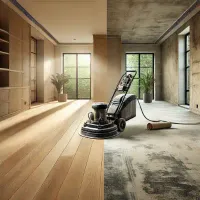
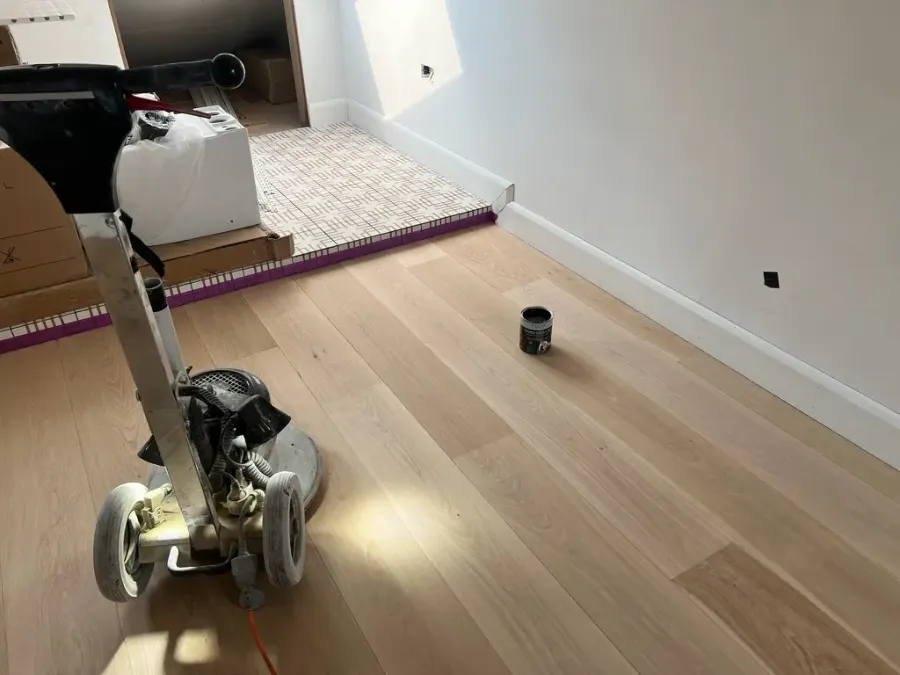
Dust-free sanding uses advanced sanding equipment connected to powerful vacuum systems. These systems capture dust at the source—right where the sanding machine meets the floor surface.
Instead of allowing dust particles to spread into the air, the system captures them instantly through dust collection systems.
In simple terms:
Less mess. Cleaner air. Better control.
Dust-free sanding requires a combination of:
The result is a virtually dust-free environment during the sanding process.
Traditional floor sanding creates a considerable amount of dust. That dust travels into the air, onto furniture, and into every corner of the room.
Dust-free sanding, on the other hand:
If you’re still deciding which route to take, I always suggest reading a proper comparison of dust-free vs traditional floor sanding, it really helps put things into perspective.
Air quality is something most people don’t think about—until it’s bad.
Traditional sanding methods release fine dust and wood particles into the air. These can linger for hours, sometimes days.
Dust-free sanding significantly reduces airborne dust. The system captures dust particles at the source, which means cleaner air during and after the job.
From experience, clients often say the same thing:
“It doesn’t even feel like a renovation is happening.”
And that’s the point.
Wood dust isn’t just annoying—it can be harmful.
Long-term exposure to harmful dust, especially from sanding wood floors, can affect breathing and trigger allergies. The inhalation of wood dust is something professionals take seriously.
Dust-free sanding ensures minimal exposure to harmful dust.
I once worked in a home with a young child who had asthma. The parents were understandably nervous about floor sanding. With a dustless sanding system in place, we completed the project safely and the child stayed comfortable throughout.
That’s when you realize: this isn’t just about floors. It’s about people.
Let’s be honest, no one enjoys cleaning up after a messy floor sanding project.
Traditional floor sanding creates dust accumulation everywhere. You’ll find it in drawers, on shelves, and somehow even in rooms you didn’t touch.
Dust-free sanding offers a completely different experience:
It’s the kind of upgrade that saves you time, energy, and patience.
Here’s something most people don’t realize.
Dust can ruin a finish.
When dust settles on wet sealant or polish, it creates imperfections. That means uneven textures and a less professional result.
Dust-free sanding ensures a smoother surface before sanding and finishing begins. With less dust generated, the final finish looks cleaner and more refined.
If you’re planning a full restoration, combining this with a proper wood floor sanding and refinishing service makes a noticeable difference in the final result.
Time matters, especially in busy homes or businesses.
Because dust-free sanding requires less cleanup, the entire floor sanding project moves faster.
You can:
In many cases, clients are surprised by how quickly everything is completed.
Modern homes are open-plan. Offices are busy. Hotels and commercial floor environments can’t afford disruption.
Dust-free floor sanding fits perfectly into these settings.
It allows:
If you’re considering upgrading your space, investing in a professional dust-free floor sanding service in London can completely transform both the process and the outcome.
There’s also an environmental angle to consider.
Dust-free sanding systems capture dust instead of releasing it into the surrounding environment. That means less dust generation overall and less impact on indoor and outdoor spaces.
For those of us who value sustainable living, this approach simply makes sense.
It aligns with a more mindful way of working, something I’ve come to appreciate deeply over the years.
| Feature | Dust-Free Sanding | Traditional Sanding |
| Dust Levels | Minimal (virtually dust free) | High |
| Air Quality | Improved | Poor |
| Cleanup | Minimal | Extensive |
| Finish Quality | Smooth & consistent | Risk of flaws |
| Health Impact | Safer | Exposure to wood dust |
Let’s keep this honest.
Dust-free sanding isn’t completely dust-free. There will always be a small amount of dust generated.
It can also cost slightly more due to the equipment used in dust-free sanding.
If you’re weighing up the investment, it’s helpful to understand the cost of dust-free floor sanding and what you’re actually paying for.
But in my experience, the benefits of dust-free sanding far outweigh these minor drawbacks.
Dust-free sanding is a great choice when:
In short, it’s the modern approach to wood floor sanding.
Working in wood floor restoration since 2004, I’ve seen how much the craft has evolved.
Dust-free floor sanding isn’t just about cleaner floors. It’s about respect for your home, your health, and the process itself.
It’s a smarter way to work. A calmer experience for everyone involved.
At Silver Lining Floor Care, we’ve embraced this modern approach to sanding because it aligns with what we believe in: quality work, thoughtful service, and creating spaces that feel good to live in.
And honestly? Once you experience dust-free sanding, it’s hard to go back.
Frequently Asked Questions
It’s virtually dust-free. Most systems capture up to 99% of dust particles at the source.
Yes. It improves air quality, reduces cleanup, and delivers better results.
Most projects take 1–3 days depending on the floor size and condition.
In most cases, yes, especially with dust-free sanding systems in place.
Yes, dust-free floor sanding works on most wood floor types, including hardwood, engineered wood, and parquet floor surfaces. However, the sanding techniques and sanding equipment used may vary depending on the condition of the floor and the thickness of the top layer of the wood.
Contact us for more information.