

 info@silverliningfloorcare.co.uk



Learn how to safely clean natural stone floors without etching or staining. From daily care to what to avoid.
Read more
Published on 14 Apr 2025
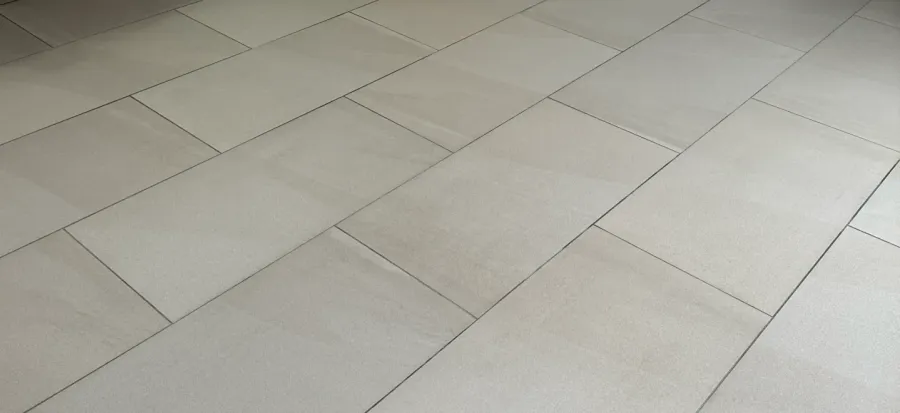
Porcelain tile cleaning is a crucial part of maintaining both the appearance and longevity of floors—especially in busy environments like kitchens, bathrooms, offices, and retail spaces. But before we talk about the cleaning process, let’s understand what makes porcelain tiles unique and how to properly care for them.
Porcelain tile is a type of ceramic tile made from fine clay and fired at much higher temperatures than standard ceramic. This process makes it extremely dense, durable, and water-resistant, making it a top choice for both domestic and commercial flooring.
There are different types of porcelain tiles, each with its own cleaning and maintenance needs:
Glazed porcelain tiles – Feature a hard, glass-like surface layer that resists water and stains.
Polished porcelain tiles – Mechanically buffed to a high sheen, but this opens up microscopic pores on the surface.
Unglazed (through-body) porcelain – Colour and pattern run throughout the tile. Highly durable and ideal for high-traffic or outdoor areas.
Textured porcelain – Designed with anti-slip surfaces for safety in wet environments.
Yes—porcelain is low maintenance, but not maintenance-free.
Because of its density, it’s resistant to water and scratches. However, grime and residues can still build up, especially in textured or unglazed varieties. Polished porcelain, despite looking smooth, has micropores that can trap stains if not sealed correctly.
In commercial settings, especially, it’s essential to implement regular professional cleaning to preserve appearance and safety standards.
Sweep or vacuum to remove grit and dry soil.
Use a pH-neutral porcelain tile cleaner—avoid bleach, acidic, or oily products.
Mop with clean water and microfibre pads.
Use rotary machines or oscillating scrubbers with soft brushes and tile-safe detergent.
For grout lines, a dedicated tile and grout cleaning service can restore uniform colour and hygiene.
In commercial environments, professional porcelain tile cleaning is often necessary to maintain slip resistance and visual appeal.
Want to understand how to clean any surface the right way? Read our universal cleaning rule and explore the key difference between deep cleaning and maintenance cleaning—both are essential for long-lasting results.
This depends on the tile type:
Glazed porcelain: No sealing required.
The glaze forms a non-porous surface layer that repels liquids and dirt.
Just clean regularly with a pH-neutral cleaner.
Polished porcelain: Yes.
The mechanical polishing process opens up microscopic pores in the surface.
Sealing is often advised, especially in high-traffic areas or places prone to staining.
Although dense, unglazed porcelain can slowly absorb contaminants over time.
Option 1: Choose a breathable, non-film-forming impregnator to preserve the natural finish.
Option 2: For additional protection, particularly in commercial environments, apply PU sealer over SuperBond primer for a durable, easy-to-clean surface.
Sealing is recommended, especially in commercial environments.
Textured surfaces trap grime more easily, and regular cleaning may not remove it from the grooves.
A penetrating sealer can help prevent deep dirt absorption and make cleaning easier.
In commercial spaces where cleaning is frequent and hygiene is essential, a PU sealer can smooth out micro-texture slightly and provide a sealed, easy-care finish.
In hospitality or retail spaces, pairing sealing with a professional maintenance plan can reduce long-term labour and improve hygiene.
Grout lines: Should always be sealed, no matter the tile type.
👉 For commercial projects, we often recommend a nanotechnology-based sealer or a water-based penetrating sealant like Fila MP90 ECO Plus or Lithofin Stainstop or topical coating like Dr Schutz PU sealer.
When it comes to long-term protection and easy cleaning for porcelain tiles—especially in high-traffic environments—the Dr. Schutz PU Sealer system, used with SuperBond primer, is a standout solution. It’s ideal not only for commercial spaces but also for busy homes that need extra durability without compromising on appearance.
Enhanced Surface Protection
PU forms a flexible, yet tough surface film that shields against stains, scratches, and chemical spills.
Easier Cleaning & Hygiene
Dirt, grime, and oils sit on top of the sealed surface, instead of embedding into pores or textured grooves. This makes mopping and everyday cleaning much faster and more effective.
Aesthetic Finish Options
Choose from matt or satin—great for both modern home interiors and stylish commercial floors.
Slip Resistance
Matte PU finishes add a layer of anti-slip safety, ideal for kitchens, bathrooms, entranceways, and areas where pets and children play.
Long-Lasting Results
The coating can last 2–5 years or much, much more, and it can be refreshed without stripping—perfect for high-traffic households and commercial areas alike.
Many families find their tiled floors are visibly worn within a few years, especially in open-plan kitchens, entrance halls, or conservatories. PU sealer can:
Protect polished or textured porcelain from daily messes
Make deep cleaning less frequent and more effective
Prevent staining from food, drinks, muddy paws, or school shoes
Provide a modern, satin finish that complements the interior design
Improve slip resistance in areas prone to moisture or steam
Whether you have light-coloured grout that keeps looking dirty or polished porcelain that starts to dull, PU sealer offers an upgrade in both appearance and function.
In addition to homes, the PU + SuperBond system is widely used in:
Retail shops, cafés, restaurants
Hotels and hospitality
Offices and showrooms
Wellness and healthcare facilities
Schools and nurseries
One of the biggest advantages of PU sealer is that it’s maintainable without harsh chemicals. Dr. Schutz offers PU Refresher products and cleaning agents specifically designed for coated floors.
With simple reapplication after a few years (no stripping needed), you keep the floor looking fresh and functional without constant professional deep cleaning.
More businesses now demand eco-friendly floor care. Fortunately, porcelain floor cleaning services can be delivered using:
Low-VOC sealers and cleaners
Biodegradable detergents
Water-saving machinery
At Silver Lining Floor Care, we’re committed to sustainable porcelain tile maintenance in line with health and safety standards—especially for schools, healthcare settings, and green-certified buildings.
Porcelain tiles offer excellent performance and timeless style—but to get the most out of them, professional cleaning, sealing, and maintenance are essential, especially in busy or commercial spaces.
If your tiles are starting to look dull, stained, or unsafe, it might be time for a commercial porcelain tile cleaning service. Whether you need deep grout cleaning, a sealing refresh, or a full restoration with PU sealant, our team is here to help.
It depends on the type. Glazed porcelain doesn’t require sealing, but polished, unglazed, and textured tiles often benefit from sealing—either with a penetrating sealer or a PU coating for added protection and ease of maintenance.
A penetrating sealer absorbs into the tile, protecting it invisibly without changing the look. A PU sealer (like Dr. Schutz PU) forms a thin, durable surface coating that improves cleanability and durability—great for commercial spaces and busy homes.
Yes! PU sealer is perfect for high-traffic households, especially in open-plan kitchens, hallways, or homes with pets and children. It adds a protective layer that reduces staining and makes everyday cleaning easier.
For residential settings, once or twice a year is usually enough. In commercial environments, we recommend quarterly or even monthly cleaning, depending on foot traffic and usage.
Yes. In fact, textured tiles trap dirt more easily, so sealing them helps maintain a clean appearance and simplifies routine cleaning. PU sealers are a great choice for textured tiles in commercial or busy domestic settings.
Sweep or vacuum regularly to remove grit. Mop with a pH-neutral cleaner and avoid acidic or bleach-based products. Microfibre mops are ideal for picking up fine dust without damaging the tile.
Generally yes, for glazed porcelain, but it’s best to avoid steam on sealed or coated surfaces like PU finishes, as excessive heat can affect the coating over time.
Yes. Grout is porous and easily absorbs moisture and stains, so sealing it is always recommended—regardless of the tile type.
Technically yes, but we recommend professional application for best results. The process involves deep cleaning, neutralising residues, applying SuperBond primer, and two coats of PU sealer—done under controlled conditions for lasting results.
Contact us for more information.