

 info@silverliningfloorcare.co.uk


Learn how to safely clean natural stone floors without etching or staining. From daily care to what to avoid.
Read more
Published on 29 Jun 2026
No, dust free floor sanding is not completely dust-free.
From my experience working on hundreds of floor sanding projects, modern systems can remove around 90–99% of dust. That said, a small amount of fine dust still escapes. It is far cleaner than traditional floor sanding, but not entirely dustless.
I remember one of my early floor sanding jobs before I had access to modern equipment. We had just finished sanding a wood floor and stepped back, proud of the result. Then, slowly, dust began settling back onto the floor we had just cleaned.
That moment stuck with me.
Because sanding a floor is not just about the wood floor itself. It is about the space people live in.
Today, dust free sanding has changed that experience.
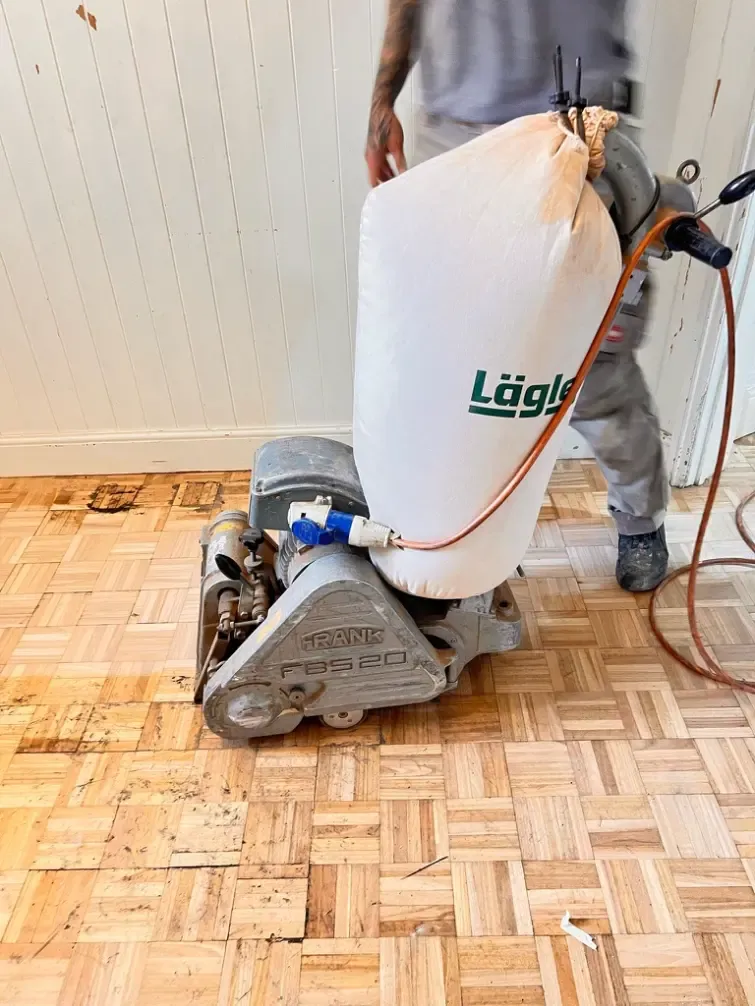
Modern floor sanding uses sanding machines connected to powerful extraction systems. As the floor sander removes material, it immediately pulls dust away. This means far less airborne dust floating around your home.
If you want a deeper look into the process, I always recommend learning more about how dust-free floor sanding works in real homes.
It is cleaner, more controlled, and far more suitable for modern living.
But it is not perfect.
Let me break this down in simple terms.
The biggest difference is that dust is captured instantly. The moment sanding begins, the system starts to suck up dust at the source.
High-quality systems use filters that trap very fine dust particles. This stops them from becoming airborne and affecting air quality.
Professional sanding machines are designed to prevent leakage. A good dust containment system keeps most of the dust inside the equipment.
Some setups even manage airflow to reduce the spread of airborne particles.
The result is a cleaner sanding process with far less mess.
This is where honesty matters.
Having sanded floors since 2004, I can confidently say this:
There is no such thing as completely dust free sanding.
Even the best dustless floor sanding setup leaves behind a tiny amount of dust. You will not see clouds of dust like you would with traditional sanding, but some fine dust can still linger in the air.
I once had a homeowner ask me if their house would be completely dust-free after the sanding job.
I told them, “It will be the cleanest sanding experience you have ever seen, but not completely dustless.”
They appreciated the honesty. And that is important.
This is where dust free sanding really shines.
Compared to traditional floor sanding, modern systems reduce dust levels by up to 98–99%.
With traditional sanding, you often get:
With dust-free floor sanding, you get:
I worked on a sanding project in a family home where they chose to stay during the work. Normally, I would advise against that. But with modern dustless sanding, it was manageable.
At the end, they were surprised at how little disruption there was.
When comparing dust-free vs traditional sanding, the difference is clear.
Traditional sanding creates a large amount of dust that spreads throughout the property. Dust free sanding captures most of that dust before it becomes airborne.
If you want a full breakdown, you can read this complete comparison between dust free and traditional floor sanding.
Here is a simple comparison:
| Factor | Traditional Sanding | Dust-Free Sanding |
| Dust Levels | Very high | Significantly reduced |
| Air Quality | Poor | Improved air quality |
| Cleanup | Extensive | Minimal |
| Finish | Risk of imperfection | Smoother finish |
Compared to traditional methods, modern sanding systems provide a much cleaner and more controlled result.
One of the biggest benefits is better air quality. Less airborne dust means fewer health risks and a safer environment.
There is far less dust settling on furniture or spreading to other rooms.
With less dust in the air, your sanded floor is less likely to have imperfections. This leads to a smoother finish.
Less cleaning means your sanding project is completed faster and more efficiently.
It is important to stay realistic.
Even with the best dust-free sanding equipment:
However, the benefits usually outweigh these limitations.
Dust free sanding is ideal for:
If your goal is a beautifully restored floor with minimal mess, this is the best option.
You may still notice dust if:
This is why choosing experienced professionals matters.
If you are planning a project, it is worth considering professional floor sanding and refinishing services to ensure the job is done properly.
Here are a few practical tips:
These small steps can make a big difference.
After years of working with floors, I have learned that the goal is not perfection. It is improvement.
Dust free floor sanding does not eliminate every bit of dust. But it does create a cleaner, safer, and more comfortable experience.
It protects your home, improves air quality, and delivers a smoother finish.
If you are considering restoring your wood floor, investing in the right approach makes all the difference. At Silver Lining Floor Care, we focus on delivering results that are not just beautifully restored, but also practical for real homes.
If you want the cleanest and most efficient option available today, our [dust free floor sanding service designed for modern homes] is built to give you exactly that.
Frequently Asked Questions
Yes, dust-free sanding usually results in less smell because fewer airborne particles are released, though some odor from finishes may still be noticeable.
With dust-free sanding, most dust is captured immediately, so any remaining particles typically settle within a few hours instead of days.
Yes, dust-free sanding works on most wood floor types, including hardwood, engineered wood, and parquet floors.
It is still a good idea to cover or move furniture, as a small amount of fine dust can still escape during the sanding process.
Not necessarily. The sanding machines can still be noisy, but the overall experience feels less disruptive because there is less mess and cleanup involved.
Contact us for more information.