

 info@silverliningfloorcare.co.uk



Learn how to safely clean natural stone floors without etching or staining. From daily care to what to avoid.
Read more
Published on 02 Apr 2024
Yes, you can sand an engineered wood floor, but only if the wear layer is thick enough. Most engineered wood flooring can be sanded once or twice at most. If the top layer is too thin, a lighter approach like screening or refinishing is the safer option.
An engineered wood floor is a clever bit of design. It gives you the beauty of real wood without the instability of solid timber.
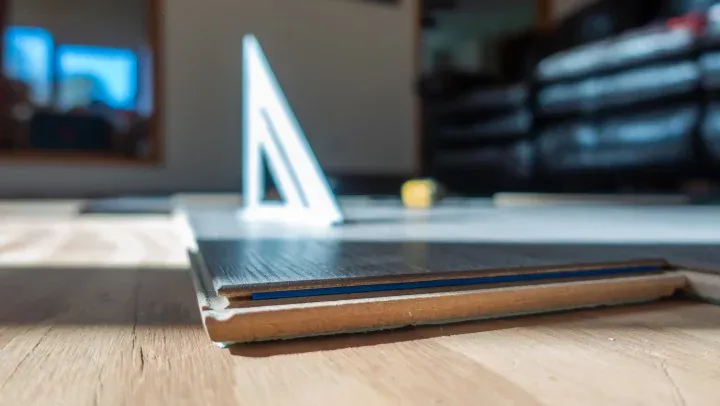
Instead of one solid piece, it is made of layers. The top layer, called the wear layer, is real hardwood. Beneath that, you will find a stable core, usually made from plywood.
I remember a client once telling me,
“So it is basically fake wood?”
I smiled and said,
“Not fake, just smarter.”
This layered construction is why engineered woods are such a popular flooring choice today. But it is also why sanding requires care.
Let me be straight with you.
Yes, you can sand engineered wood flooring, but it depends on the wear. If you are unsure, it is worth getting advice from someone experienced in professional sanding and refinishing.
Not every engineered floor can handle a full sanding. And not every situation calls for one.
A few years ago, I walked into a home where the owner had already started sanding. They thought it would be like sanding solid wood flooring.
It was not.
They had already gone through the veneer in one corner. The damage to the floor was permanent, but in situations like this, it can sometimes be carefully blended and softened using French polishing.
That is the reality of sanding engineered wood. It is not forgiving.
The wear layer is the only part of the floor you can sand. Once it is gone, you are into the core, and that is not something you can fix.
| Wear Layer Thickness | Sanding Potential | Risk Level | Recommendation |
| 1–2mm | ❌ Cannot be sanded | High | Avoid sanding, consider refinishing |
| 3mm | ⚠️ Can be sanded once | Medium | Light, careful sanding only |
| 4–6mm | ✅ 1–3 times | Low | Ideal for sanding |
| 6mm+ | ✅ Multiple times | Very Low | Premium flooring option |
Most engineered hardwood floors fall somewhere between 2mm and 6mm.
So when someone asks me if their floor can be sanded, I always say:
“It depends on the wear.”
Because it really does.
Unlike hardwood, you do not have endless material to work with.
Most engineered wood floors are constructed with a limited sanding lifespan. That means:
But here is the catch.
Every time you sand, you remove a bit of wood. And once it is gone, it is gone.
So while you might sand multiple times, you should not rush into the first one unless you really need to.
Sometimes, sanding feels like the obvious fix. But often, it is not the right one. Knowing when it is actually the right time to sand can help you avoid unnecessary damage and cost.
This is where most confusion happens.
| Method | What It Does | When to Use | Risk Level | Result |
| Sanding | Removes a layer of wood | Deep scratches, heavy wear | Medium | Full restoration |
| Screening (Light Sanding) | Light surface abrasion | Minor wear | Low | Refresh finish |
| Refinishing | Applies new coating (oil/lacquer) | Dull floors | Very Low | Cosmetic improvement |
Not every floor needs a full sand and refinish.
Sometimes, a simple refinish of engineered wood flooring can bring life back without risking the structure.
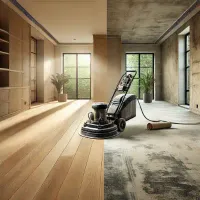
If you decide to go ahead and sand an engineered wood floor, here is what it looks like in practice.
Check the wear layer. This step determines everything.
Clear the room of furniture and protect surrounding areas.
Start with a finer grit. Engineered floors do not need heavy sanding.
Move the sander steadily. Always follow the direction of the wood grain.
Apply a protective finish, oil or lacquer, to protect the floor and enhance its look.
This is one of the most important decisions you will make.
| Situation | DIY Suitable? | Professional Recommended? |
| Thin wear layer | ❌ No | ✅ Yes |
| Large floor area | ⚠️ Maybe | ✅ Yes |
| Minor scratches | ✅ Yes | Optional |
| Deep damage | ❌ No | ✅ Yes |
| First-time sanding | ⚠️ Risky | ✅ Yes |
I have seen people do a brilliant DIY job.
I have also seen floors completely ruined by a weekend project.
Sanding looks simple, but it is a skill. It takes experience to control pressure, speed, and depth.
These mistakes do not just affect the look. They impact the longevity of engineered wood floors.
In many cases, yes.
Sanding floors can:
But it is not always the right choice.
Sometimes, the smarter move is to refinish your engineered wood flooring without a full sanding. In many cases, simply looking after your wood floors properly can extend their life without the need for major work.
After years of working with engineered woods, here is what I have learned:
There is a quiet rhythm to sanding. It is repetitive, almost meditative.
Maybe that is why I enjoy it so much.
So, can you sand engineered wood flooring?
Yes, but with awareness, patience, and respect for the material.
Over the years, I have learned that every floor has limits. The key is knowing where those limits are.
At Silver Lining Floor Care, we approach every project with that mindset. It is not just about sanding. It is about preserving the story beneath your feet, and doing it the right way.
https://artofclean.co.uk/can-you-sand-engineered-wood-flooring/
https://bromleytilers.co.uk/can-you-sand-engineered-wood-flooring/
https://www.reallycheapfloors.com/blog/engineered-hardwood-wear-layer/
https://www.builddirect.com/pages/engineered-wood-buying-guide
Frequently Asked Questions
Yes, but only if the wear layer is thick enough.
You’ll need to measure the top layer or consult a professional.
Usually once or twice, depending on thickness.
You risk exposing the core, causing permanent damage to your floor.
Contact us for more information.